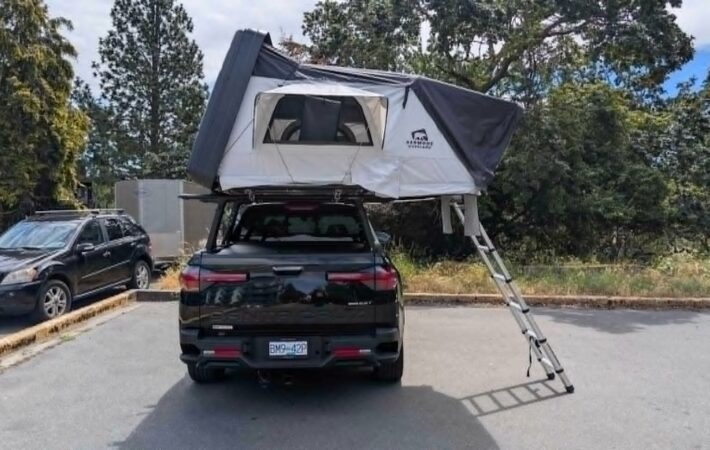

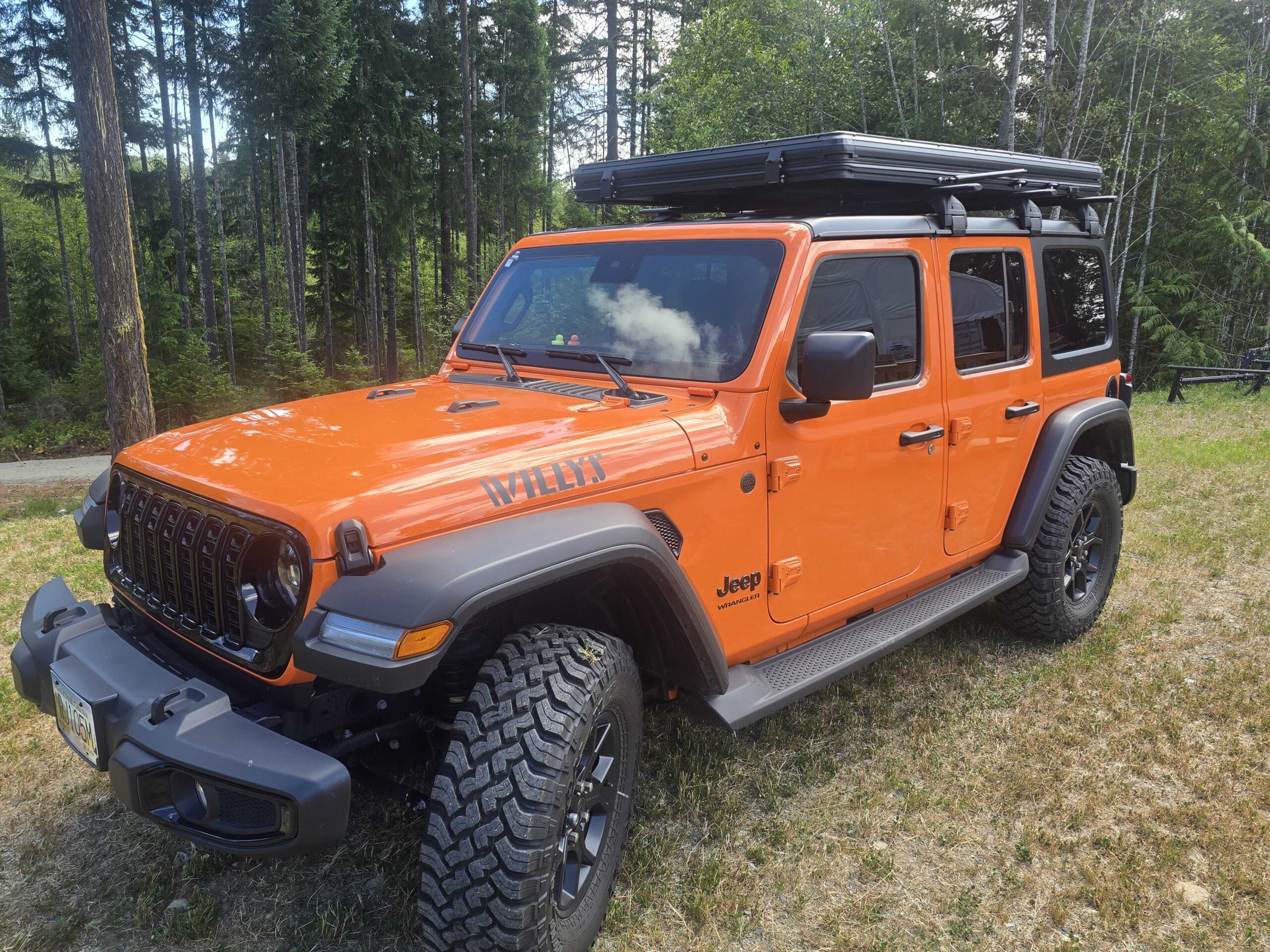
People assume condensation is a cold-weather problem. It is not. Some of the wettest tent mornings happen in July, when warm humid days give way to cool clear nights and every surface inside your tent ends up damp by sunrise. Pair that with the afternoon heat that turns a closed tent into an oven, and summer comfort in a rooftop tent comes down to managing two things at once: keeping it cool when the sun is up, and keeping it dry when it is down.
The physics are simple and the fixes are mostly free. Here is how to stay comfortable through a Canadian summer night up top.
Why Your Tent Is Wet on a Warm Morning
Condensation forms when warm moist air meets a cooler surface. Inside a rooftop tent, the warm moist air is mostly you. Two adults breathing overnight put out a surprising amount of water vapour, and on a clear summer night the tent fabric cools below the dew point. That vapour condenses on the inside of the canopy and drips back down.
This is worse near water, which is where a lot of us camp in summer. Lakeside and coastal sites carry more humidity in the night air, so the same tent that stayed dry in a dry interior valley can soak you near the ocean. It is not a defect and it is not a leak. It is condensation, and the cure is airflow, not waterproofing.
Ventilation Is the Whole Game
The fastest way to cut condensation is to move air through the tent. Still air holds moisture against the fabric. Moving air carries it out before it can collect.
Do this every night, even when it is cool:
- Open vents and windows on opposite sides of the tent to create a cross breeze, even just a crack. You want a path for air to flow through, not a sealed box.
- Leave the top vents open if your tent has them. Warm moist air rises, and a high vent lets it escape instead of condensing on the ceiling above your head.
- Resist the urge to seal everything against a cool night. A closed tent feels warmer for an hour and then rains on you by morning. A slightly cooler tent with airflow stays dry, and a dry sleeping bag keeps you far warmer than a sealed damp one.
- If your tent has mesh panels with separate fabric covers, sleep with the mesh exposed and the solid panel rolled back wherever the weather allows. The mesh keeps the bugs out while letting moisture escape.
Beating the Daytime Heat
The other half of the problem is the afternoon. A rooftop tent in direct July sun gets hot fast, and a hot tent at 4pm is still warm at bedtime. A little planning keeps it livable.
Park for the evening, not the afternoon
When you pick your spot, think about where the shade will be at the end of the day. Parking so the tent catches late-afternoon and evening shade matters far more than morning shade. A tent that bakes until sunset radiates heat for hours after you climb in.
Open it before you need it
Pop the tent and open every window when you arrive, not at bedtime. Letting it air out for a few hours while you set up camp and make dinner clears the trapped hot air and lets it cool with the evening instead of holding the heat of the day.
Use the rainfly as a sun shade
On a hot dry day, a properly pitched rainfly creates an air gap above the canopy that shades it from direct sun. The gap lets air move between the fly and the tent body, which keeps the inside noticeably cooler than bare fabric in the sun.
Light-coloured matters
Most quality tents already use lighter canopy fabric for exactly this reason. If you are shopping, darker tents look great and run hotter. Whether you choose a hard shell or soft shell, the canopy colour affects daytime temperature more than people expect.
Manage Moisture From the Inside
You can cut condensation at the source, too. A few habits make a real difference:
- Keep wet gear out of the tent. Damp swimsuits, towels, and boots all evaporate moisture into the air you breathe overnight. Store them in the vehicle or hang them outside.
- Crack the tent open if you are cooking or boiling water nearby. Steam drifts and settles on cool fabric.
- Wipe the canopy in the morning. A small microfibre towel takes thirty seconds and stops you from packing the tent away wet, which protects the fabric and prevents the mildew that follows.
- Air the mattress in the sun before you fold up. Moisture collects under the foam against the tent floor, and ten minutes of sun on a dry morning saves you a musty tent next trip.
Pack It Dry, Always
The cardinal rule of rooftop tents in summer is to never fold a wet tent away for more than a day. Mildew starts within a day or two in warm weather, and a tent that gets musty is a tent that smells and degrades early.
If you have to pack up wet because of weather or an early start, open the tent again the moment you can, even in your own driveway at home, and let it dry completely before it goes back into storage. This habit does more for the lifespan of your tent than almost anything else, and it ties directly into your annual maintenance routine.
Frequently Asked Questions
Is condensation a sign my tent is leaking?
Usually not. Leaks come through seams and worn fabric and show up as wet patches during rain. Condensation forms evenly across the inside of the canopy on clear, calm nights and is caused by your own breath meeting cool fabric. If you are wet after a dry night, it is condensation, and ventilation is the fix.
Will a fan help?
Yes. A small battery clip fan moving air through the tent makes a big difference on both fronts, cooling you on a hot night and keeping moisture from settling. Point it to push air toward an open vent so it actually exhausts the humid air rather than just stirring it.
Why is my tent wetter near the lake?
Higher humidity in the night air near water means more moisture available to condense. The tent is fine. Increase ventilation, keep wet gear outside, and wipe down in the morning.
Does a hard shell tent get less condensation than a soft shell?
Both condense, because both trap your breath overnight. Hard shells often have slightly better built-in ventilation paths, but the habits matter more than the style. Open the vents either way.
Comfortable Nights Come Down to Airflow
A cool, dry rooftop tent in July is not about expensive gear. It is about parking for evening shade, airing the tent out early, sleeping with a cross breeze, and refusing to pack it away wet. Get those four things right and you will sleep well through the hottest, busiest stretch of the Canadian camping season.
Looking for a tent with better ventilation, or accessories to keep your current setup cooler this summer? Get in touch and we will point you to the right setup for the way you camp.