
If you’ve ever been caught in a sudden downpour on a logging road in British Columbia, woken up to a truck tent covered in six inches of wet snow in Alberta, or watched your campsite turn into a wind tunnel on the prairies — you already know that camping in Canada is a different game entirely.
The question isn’t just which rooftop tent looks the best in your driveway. The real question is: which rooftop tent can actually handle what this country throws at it?
At RooftopTents.ca, we’ve been testing gear from our base on Vancouver Island since day one — sideways rain, salt air, freezing temperatures, and everything in between. The hard shell vs. soft shell debate comes up constantly, and it’s one of the most important decisions you’ll make before your next overlanding trip.
This guide breaks it all down. Not in theory — in the context of real Canadian terrain and weather.
What’s the Actual Difference? A Quick Refresher
Before we get into Canadian conditions, let’s make sure we’re on the same page.
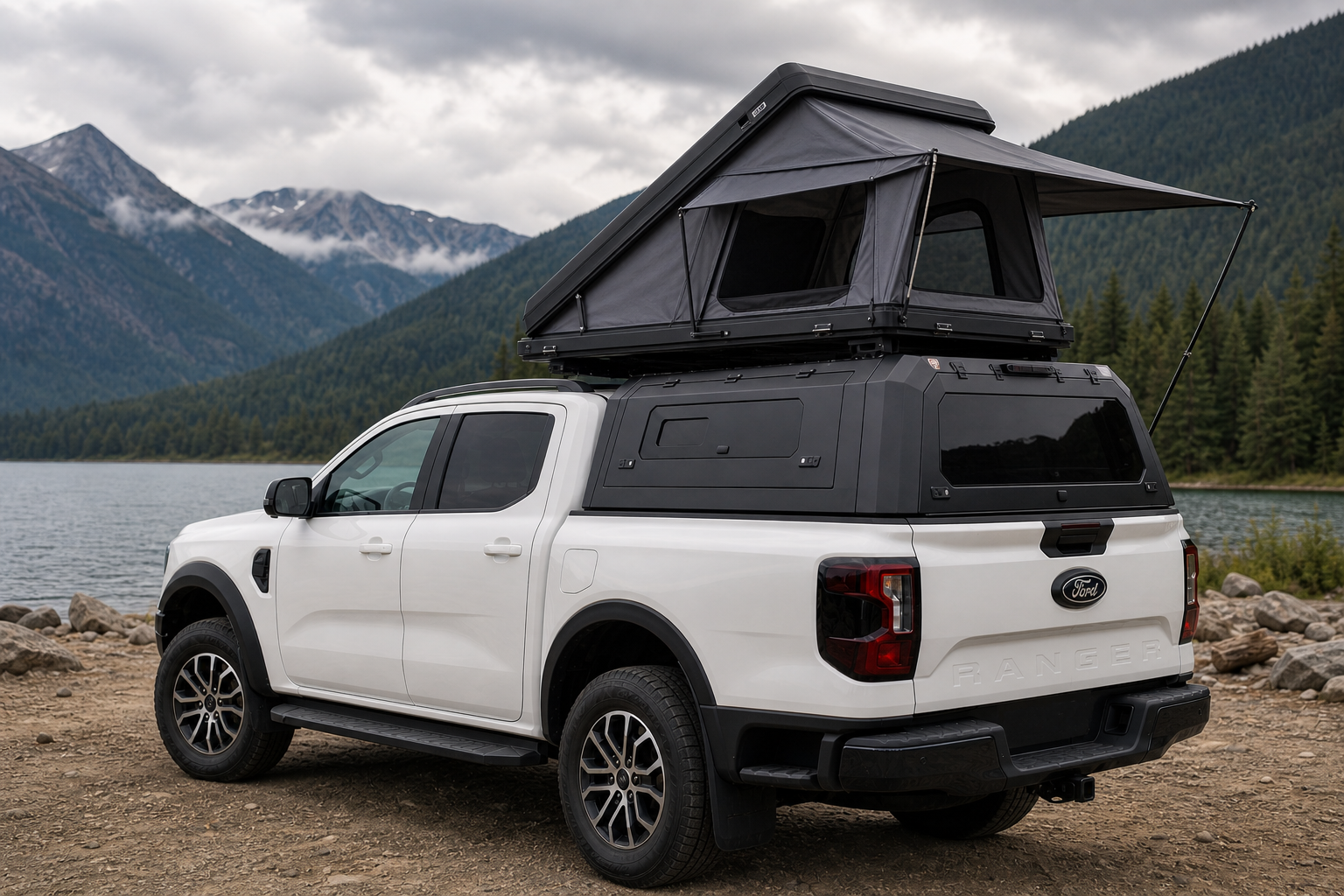
Hard shell rooftop tents have a rigid fibreglass or aluminum outer shell that protects the folded tent fabric inside. They open with a clam-shell or pop-up action and typically deploy in under two minutes. When closed, everything is sealed inside a hard, weather-tight casing.
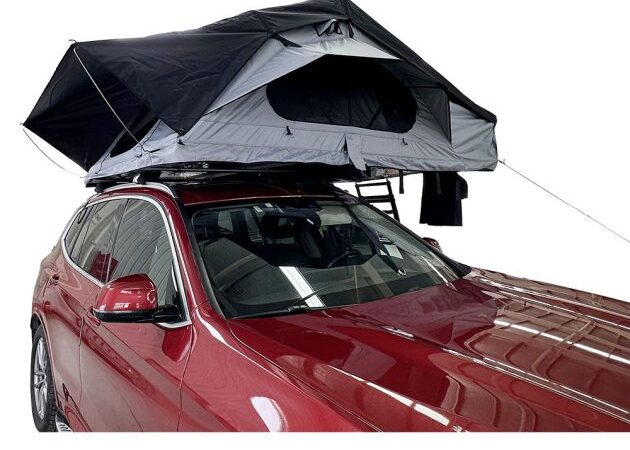
Soft shell rooftop tents use a folding frame that expands outward, covered in heavy-duty canvas or polyester. They take slightly longer to set up, have more interior space for the same footprint, and tend to come in at a lower price point. When packed, the fabric is exposed to the elements on the outside.
Both types mount directly to your vehicle’s roof rack, truck bed rack, or crossbars. Both can sleep one to four-plus people depending on the model. But how they perform once you’re actually in the Canadian backcountry? That’s where the differences get real.
How Canadian Weather Actually Tests Your Gear
Canada doesn’t have “one climate.” It has about fifteen. And most overlanders end up crossing several of them in a single trip. Here’s what your tent actually has to survive:
Rain — and lots of it. The BC coast averages over 1,500 mm of rainfall annually in some areas. Vancouver Island, the Gulf Islands, and the Haida Gwaii are stunning — and relentlessly wet from October through May. Even summer trips can turn soggy without warning.
Snow and freeze-thaw cycles. Spring in the Rockies, fall in the Shield, shoulder-season trips in the Maritimes — your tent will face temperatures that swing from above freezing in the afternoon to well below overnight. That freeze-thaw stress is particularly brutal on zippers, seams, and fabric.
Wind. The prairies, coastal ridges, Yukon valleys — wind speeds that would flatten a traditional tent can be routine. A mounted rooftop tent has more surface area than a ground tent, and it’s elevated off the vehicle, making it more vulnerable to sustained gusts.
UV exposure. Alberta and Saskatchewan summers mean extended high-UV days, especially at elevation. Fabric degradation from UV is a slow killer that most people don’t notice until season three or four.
Condensation. In shoulder season across most of Canada, overnight temperatures drop dramatically. Condensation buildup inside a tent isn’t just uncomfortable — over time it saturates bedding, degrades zippers, and encourages mildew in canvas fabric.
Understanding these conditions gives you a much better framework for evaluating which shell type is right for your style of travel.
Hard Shell Rooftop Tents in Canadian Conditions
The Case For Hard Shell
If weather protection is your primary concern — and in Canada, it usually is — a hard shell tent has a compelling story to tell.
Sealed from the outside world. When a hard shell tent is closed, the interior fabric, mattress, and bedding are completely protected inside a rigid shell. It doesn’t matter if it rains all night before you set up camp, or if you’re driving through heavy snow on the way to your campsite. Everything inside stays dry. This is a genuine, meaningful advantage that soft shell tents can’t match.
Fast deployment in bad conditions. Nobody wants to wrestle with folding poles and canvas lashings in a downpour. Hard shell tents open in one to two minutes. You arrive, pop it open, climb in. For shoulder-season trips across most of Canada, that speed matters — not just for comfort, but for safety.
Low-profile aerodynamics. Hard shell tents sit close to the roof of your vehicle when closed, which reduces wind drag on the highway significantly compared to a stacked soft shell tent. This translates to better fuel economy over long drives — something Alberta-to-BC runs make very relevant.
Durability under load. Canadian winters mean snow loads. A quality hard shell — especially aluminum-constructed models — can handle significant snow accumulation without the structural concerns that folded fabric creates. The rigid exterior distributes weight and resists deformation.
Condensation management. Most hard shell tents are designed with ventilation systems that reduce interior condensation. The sealed outer shell also means temperature differentials are less severe, which helps.
The Trade-Offs
Hard shell tents carry a higher price point, typically starting around $2,500–$3,600 CAD for quality units. They also offer less interior living space per pound of weight — the clam-shell format is efficient, but you’re not getting the sprawling headroom of a fully extended soft shell.
Some pop-up hard shell designs also have a lower ceiling height when open, which can feel cramped for taller campers or families.
Soft Shell Rooftop Tents in Canadian Conditions
The Case For Soft Shell
Soft shell tents have been the backbone of rooftop camping for decades, and for good reason. In the right conditions, they offer a camping experience that hard shell tents simply can’t match.
More interior space. This is the defining advantage of soft shell design. When fully extended, a soft shell tent unfolds to a much larger footprint than its packed dimensions suggest. For families or groups sleeping three to four people, the Basecamp 190 or Outland XL format delivers genuine room to move, sit up, and store gear inside.
Better “camp feel.” The canvas construction of a quality soft shell tent breathes differently. In warm-to-mild conditions, the fabric regulates temperature more naturally, and the feeling of being in a real tent — rather than a sealed pod — suits a lot of campers’ preferences.
Lower cost of entry. Soft shell rooftop tents typically start at a lower price, making the overlanding lifestyle more accessible. For someone new to rooftop camping who wants to test the concept before a major investment, a well-built soft shell is a smart starting point.
Annex room compatibility. Many soft shell tents are designed to accept add-on annex rooms — ground-level enclosed spaces that effectively double your living area. For base-camp style trips where you’re staying in one location for multiple nights, this dramatically expands what you can do with your setup.
The Trade-Offs for Canadian Conditions
Here’s where Canadian campers need to be honest with themselves.
Setup time in bad weather is a real factor. Extending a soft shell tent in the rain means your bedding is exposed during setup. Bringing a wet canvas tent down in the morning, packing it damp, and driving hours to your next site creates the right conditions for mildew — a genuine problem with soft shell construction in high-moisture environments.
The packed tent is exposed. When driving, soft shell tents have the fabric on the outside. Rain, road spray, and debris contact the material directly. Over time, especially in coastal BC environments, this affects waterproofing performance. Regular retreatment of the canvas with a waterproofing agent is a maintenance requirement, not an option.
Freeze-thaw is hard on zippers and fabric. Soft shell zippers exposed to overnight freezing can seize. Canvas that gets wet and then freezes becomes rigid and difficult to open without risk of damage. If you’re camping through October in the Rockies or doing spring access road trips in Northern Ontario, these aren’t hypotheticals.
Wind resistance. The larger surface area of an extended soft shell tent catches more wind than a hard shell’s low-profile open footprint. For exposed ridge camps or coastal sites, this is worth considering.
Side-by-Side: Which Wins in Each Canadian Scenario
| Scenario | Better Choice | Why |
|---|---|---|
| BC coastal camping (rain, humidity) | Hard Shell | Fabric sealed from rain during transit and setup |
| Rocky Mountain summer base camp | Soft Shell | More space, mild temps, extended stays |
| Prairie road trip (wind, distance) | Hard Shell | Better aerodynamics, faster setup |
| Northern Ontario / Shield wilderness | Hard Shell | Setup in bugs, rain, cold; sealed interior |
| Quebec / Maritime fall trips | Hard Shell | Freeze-thaw protection on zippers and fabric |
| Alberta summer weekend warrior | Either | Conditions are forgiving; cost and space preferences drive choice |
| Family overlanding, 4-person | Soft Shell (Large) | Interior space advantage is significant |
| Solo or couple, minimal setup time | Hard Shell | Speed and simplicity win |
What About Hybrid Shell Tents?
It’s worth mentioning that there’s a third category growing in popularity: hybrid shell rooftop tents. These designs use a hard outer shell for weather protection during transit but incorporate soft fabric sides or fold-out sections for expanded living space when open.
Hybrid tents attempt to solve exactly the tension described in this article — weather-tight when closed, more spacious when open. They’re worth exploring if you feel caught between the two traditional options. RooftopTents.ca carries hybrid shell options that have been tested specifically for Canadian conditions.
Key Features to Look For — Regardless of Shell Type
Whether you go hard or soft shell, certain features matter more than others in the Canadian context:
Ripstop or reinforced canvas (soft shell). Not all soft shell fabrics are created equal. Look for a minimum 280–320 gsm ripstop polyester or canvas construction. Heavier is more durable in sustained wet conditions.
Aluminum vs. fibreglass shell (hard shell). Aluminum shells are generally more durable and handle snow loads better. Fibreglass is lighter but can crack under sustained impact or extreme cold stress. For year-round Canadian use, aluminum is the better long-term investment.
YKK or heavy-duty zippers. Zippers are the most common failure point. Look for oversized #10 zippers with water-resistant coatings. This matters on both shell types but is especially critical for soft shells used in cold conditions.
Integrated mattress thickness. A 60–80 mm high-density foam mattress is the baseline for comfortable camping in cooler temperatures — thinner mattresses feel the cold from below more intensely. Most quality tents at the $2,000+ price point include adequate mattress thickness.
Ventilation windows. At least two opposing ventilation windows — ideally with both mesh and fabric covers — allow airflow management in warm weather and condensation reduction overnight. In high-humidity environments like coastal BC, this is not optional.
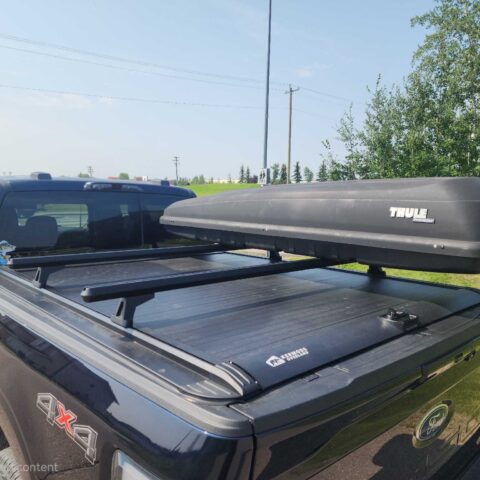
Mounting hardware and load rating. Before purchasing any rooftop tent, confirm that your vehicle’s roof rack or truck bed rack has adequate load rating. Most rooftop tents weigh 45–80 kg depending on construction. Your mounting system should be rated at or above that figure with a safety margin.
Our Recommendation for Canadian Overlanders
There’s no universal answer, but there is a Canadian bias.
If you’re camping primarily in BC, the Maritimes, Northern Ontario, or doing shoulder-season trips anywhere in Canada — a hard shell rooftop tent is almost always the better investment. The weather-tight sealed system protects your gear during the travel-to-campsite segment, speeds up setup when conditions are worst, and reduces maintenance burden over multiple seasons.
If you’re a warm-weather summer camper in Alberta, Saskatchewan, or doing extended base-camp trips in stable conditions — a large-format soft shell tent gives you more living space for the dollar, and the trade-offs become less significant.
For most Canadian overlanders who want one tent that works across seasons and provinces, the hard shell’s combination of weather protection, fast deployment, and low-profile travel position is the more versatile long-term choice.
Browse the Full Lineup at RooftopTents.ca
We stock hard shell, soft shell, and hybrid shell rooftop tents field-tested for Canadian conditions — from the compact Ridgeline Hardshell for solo and duo adventurers, to the Basecamp 190 Soft Shell for families that need real room to spread out.
Every tent we carry has been evaluated by our team on Vancouver Island before it ships to you. We fit and test in-house, offer fitment help to save you returns, and back our gear with a Canadian warranty.
Ready to find the right setup for your vehicle and your adventures?
Browse All Rooftop Tents →
Shop Hard Shell Tents →
Shop Soft Shell Tents →
Match My Vehicle →