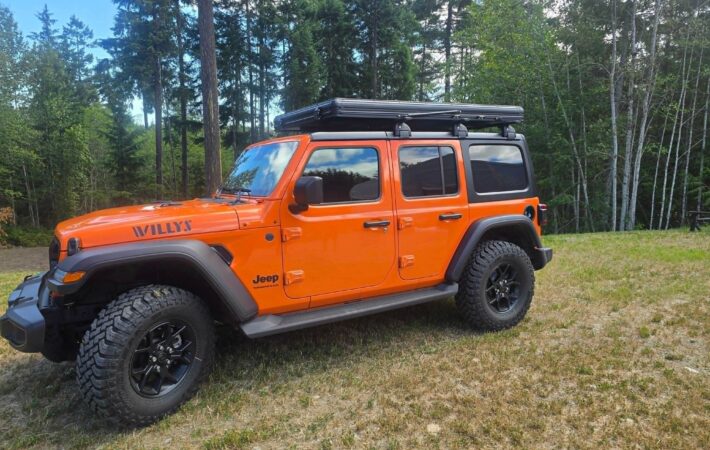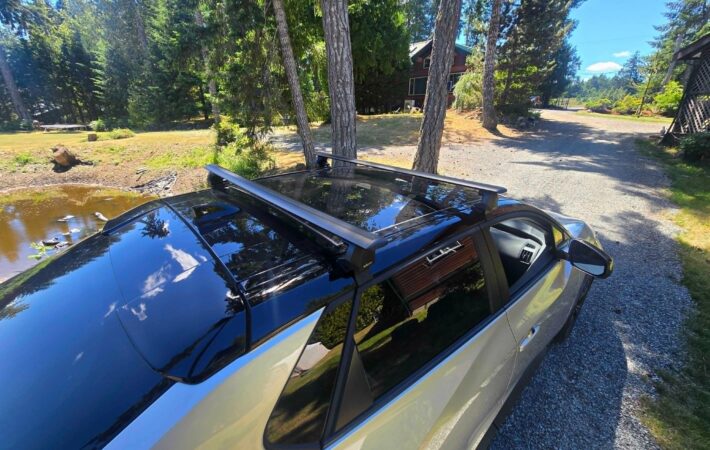

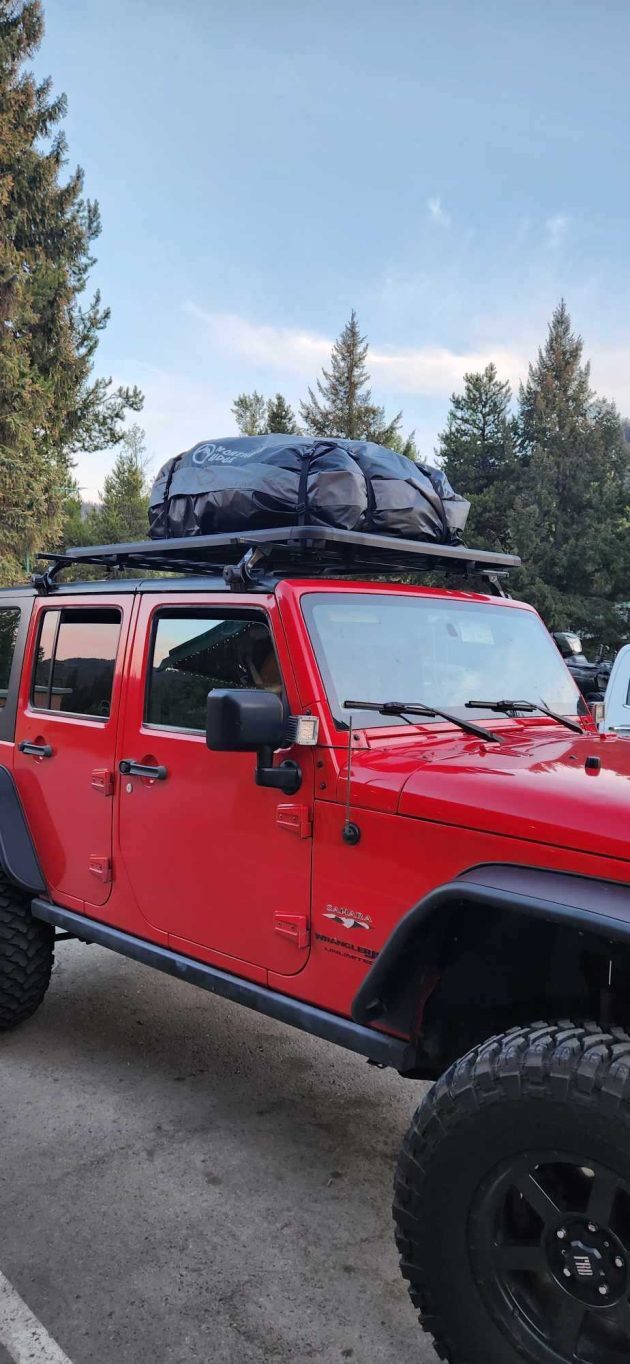
This is one of the most common questions we get: “I already have factory cross bars on my RAV4 / Outback / 4Runner — can I just put a rooftop tent on those?”
The honest answer is: maybe, but you need to check the numbers before you do anything. And to check those numbers properly, you need to understand what dynamic and static load ratings actually mean — because they’re the two figures that determine whether your factory bars are rated for a tent or not.
Dynamic Load Rating vs. Static Load Rating
Every set of cross bars carries two weight numbers. Most people see both and assume the bigger one is what they should load to. That’s how things go wrong on the highway.
Dynamic load rating is the maximum weight your cross bars can safely support while the vehicle is in motion. This number includes all the forces of actual driving — braking, acceleration, cornering, crosswinds, and road impacts. It’s always the lower of the two numbers, and it’s the one that applies when you’re driving to the trailhead with a folded tent strapped on top.
Static load rating is the maximum weight your bars can hold while the vehicle is parked and stationary. No road forces, no movement — just weight sitting on top. This number is much higher because the forces involved are much simpler.
To put it in real product terms, our FlushRail™ Series Cross Bars are rated for 75 kg dynamic / 200 kg static. Our Universal Roof Cross Bar is 75 kg dynamic / 300 kg static. Same bars look very different depending on which rating you’re reading.
The practical rule: load your driving weight against the dynamic number. Load your parked/camping weight against the static number. Never swap them.
How This Applies to Rooftop Tents
A rooftop tent has two separate weight situations:
While driving: the tent is folded, closed, and strapped down. Its weight is static on your bars, but the forces acting on it are dynamic — braking, wind, bumps. The relevant weight here is the tent’s folded weight alone (typically 35–80 kg depending on size and shell material), and that needs to stay within the dynamic rating of your bars.
While camping: the tent is deployed, the ladder is out, and people are sleeping in it. The vehicle is parked. Now you’re dealing with the tent’s weight plus the weight of occupants and gear inside — but you’re working against the static rating, which is much more generous.
Most tents from our Rooftop Tents are designed with both of these scenarios in mind, and pairing them with a dedicated roof platform spreads that load across a larger surface area than two narrow cross bars — which is the safer setup regardless of your bars’ ratings.
So What About Factory Cross Bars?
Here’s where it gets complicated.
Factory cross bars — the ones that come standard from the manufacturer — are typically rated for everyday cargo: ski bags, a roof box, luggage, maybe a bike rack. They’re designed for the use case most buyers actually have. The problem is that most factory bar specs were written before rooftop tents became a mainstream accessory, so a lot of them:
- Have a modest dynamic rating (often 50–75 kg / 110–165 lb)
- May not publish a static rating at all
- Are not necessarily designed to handle concentrated loads at two mounting points the way a rooftop tent or platform requires
A tent that weighs 65 kg folded already sits right at the edge of a 75 kg dynamic-rated factory bar — before you’ve counted mounting hardware, a platform, or any gear stored inside during transit.
Before mounting a tent on factory bars, confirm three things:
- The bar’s dynamic rating is documented and covers the tent’s folded weight with margin to spare
- A static load rating exists and is sufficient for tent + occupants + gear
- The bars and their mounting feet are rated for concentrated loads, not just evenly spread cargo
If those answers aren’t all clearly yes — or if the manufacturer doesn’t publish that information — the safer path is upgrading the bars rather than guessing. Our TrailRail™ and FlushRail™ systems are both built with rooftop tent use in mind, and their ratings are clearly published and tested.
Vehicle-Specific Roof Platforms: The Better Foundation for a Tent
If you’re setting up for a rooftop tent, a dedicated platform paired with upgraded cross bars gives you the most solid foundation. Rather than mounting a tent directly on two bars, a platform creates a continuous aluminum deck that spreads the load and gives you a stable, flat surface.
We carry vehicle-specific platforms for the 2023+ Toyota Tundra and 2023+ Ford Ranger, along with universal platforms in medium and large sizes — browse the full Roof Platform lineup for your options.
The Bottom Line
| Scenario | Relevant Rating | What to Check |
| Driving with tent folded | Dynamic | Tent weight + hardware vs. dynamic rating |
| Sleeping in tent, parked | Static | Tent + occupants + gear vs. static rating |
| Factory bars — tent-ready? | Both | Confirm both ratings exist and are sufficient |
If your factory bars are rated and confirmed, use them. If they’re not — or if you’re not sure — get in touch with our team before ordering a tent and we’ll help you spec the bars and platform first.