

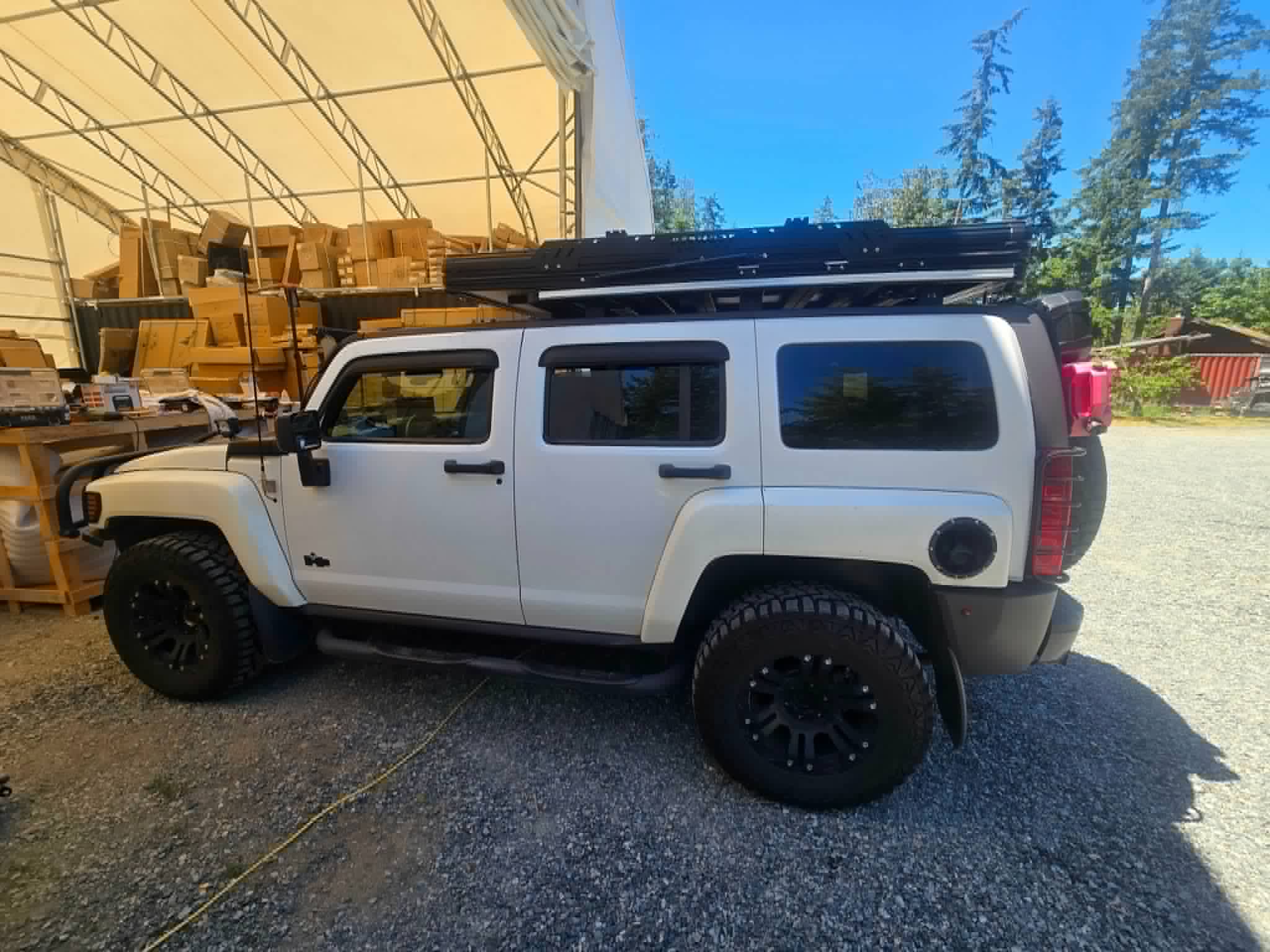
One of the most common questions from people building their first overlanding or camping rig is simple:
Should I install a roof rack or a truck bed rack?
The answer depends on your vehicle, your camping style, and where you plan to travel. While both systems provide excellent mounting solutions for rooftop tents and outdoor gear, each offers distinct advantages that make it better suited to certain adventures.
If you’re driving an SUV, the choice may already be made for you. But if you own a pickup truck, deciding between a roof rack and a bed rack can significantly affect your camping experience, vehicle handling, cargo capacity, and overall convenience.
This guide compares both systems from the perspective of real Canadian camping and overlanding, helping you determine which setup best matches your adventures—from weekend trips to provincial parks to multi-day expeditions into the backcountry.
Why Your Rack System Matters
Your rack isn’t simply a place to mount a rooftop tent.
It’s the foundation of your entire camping setup.
The right rack influences:
- How much gear you can carry
- Vehicle stability
- Fuel efficiency
- Accessibility
- Camp setup speed
- Future upgrades
Choosing wisely now can save both money and frustration later.
Understanding Roof Racks
Roof racks mount directly to the roof of your SUV, crossover, wagon, or pickup cab using vehicle-specific mounting points or compatible crossbars.
They’re one of the most versatile upgrades available because they support a wide range of outdoor equipment beyond rooftop tents.
Common Uses for Roof Racks
A roof rack can carry:
- Rooftop tents
- Cargo boxes
- Kayaks
- Canoes
- Paddleboards
- Bikes
- Recovery boards
- Camping storage cases
For many Canadian adventurers, a roof rack provides year-round versatility beyond camping season.
Benefits of Roof Racks
Compatible with More Vehicles
Almost every SUV or crossover can accept some form of roof rack.
This makes them an excellent solution for families, solo campers, and daily drivers.
Maximum Versatility
Roof racks can easily adapt as your hobbies change.
During summer, you might carry a rooftop tent.
In winter, ski boxes or cargo carriers become more practical.
Ideal for Everyday Driving
Roof racks maintain your truck bed or rear cargo area for groceries, work equipment, or pets.
Considerations
Because equipment is mounted higher, loading heavy gear requires more effort.
You’ll also need to pay attention to overall vehicle height when entering underground parking garages or drive-throughs.
Understanding Truck Bed Racks
Truck bed racks mount inside or above the pickup bed.
Instead of placing equipment on the cab roof, the load sits lower over the truck bed.
This has become increasingly popular among Canadian overlanders because it combines practicality with improved weight distribution.
Common Uses for Bed Racks
Truck bed racks commonly support:
- Rooftop tents
- Recovery boards
- Fuel containers
- Water storage
- Camp lighting
- Awnings
- Storage boxes
Many overlanders also combine bed racks with drawer systems to maximize organization.
Benefits of Truck Bed Racks
Lower Centre of Gravity
A rooftop tent mounted over the truck bed generally sits lower than one installed on the cab roof.
Benefits include:
- Better handling
- Improved stability
- Easier access
- Reduced wind resistance
This becomes especially valuable on rough logging roads and uneven terrain.
Better Weight Distribution
Because the load sits closer to the vehicle’s centre, many drivers notice improved balance during off-road travel.
Easier Tent Access
Most people can deploy a rooftop tent mounted on a bed rack more comfortably than one mounted high above an SUV roof.
This makes daily camp setup quicker and less physically demanding.
Roof Rack vs. Bed Rack Comparison
| Feature | Roof Rack | Truck Bed Rack |
| Vehicle Compatibility | SUVs, Crossovers, Wagons, Trucks | Pickup Trucks Only |
| Rooftop Tent Mounting | Excellent | Excellent |
| Gear Accessibility | Moderate | Excellent |
| Vehicle Height | Higher | Lower |
| Centre of Gravity | Higher | Lower |
| Cargo Flexibility | High | Very High for Trucks |
| Daily Driving Convenience | Excellent | Excellent |
| Off-Road Stability | Good | Excellent |
| Future Expansion | Excellent | Excellent |
Neither option is universally better.
The right choice depends entirely on your vehicle and intended use.
Which Setup Is Best for Different Adventures?
Weekend Camping
If you primarily camp in provincial parks or established campgrounds, a roof rack often provides everything you need.
It’s simple, versatile, and supports numerous outdoor activities.
Backcountry Overlanding
For remote forestry roads and multi-day expeditions, truck bed racks offer several advantages.
Their lower mounting position improves stability while providing convenient access to camping gear.
Family Camping
Families often carry more equipment.
Roof racks allow the vehicle’s interior and cargo area to remain available for coolers, luggage, and children’s gear.
Pickup owners, meanwhile, benefit from using the truck bed for larger items while the tent remains securely mounted above.
Long-Distance Travel
When travelling thousands of kilometres across Canada, organization becomes increasingly important.
Many experienced overlanders favour truck bed racks because they integrate well with storage drawers and dedicated cargo systems.
Seasonal Considerations
Canada’s changing seasons should influence your decision.
Spring
Frequent rain makes fast campsite setup valuable.
Both systems work well with rooftop tents and awnings.
Summer
Long road trips often involve bikes, paddleboards, or kayaks.
Roof racks provide excellent flexibility for recreational equipment.
Autumn
Cooler temperatures encourage longer overlanding trips.
Truck bed racks make accessing camping gear easier during shorter daylight hours.
Winter
Roof racks remain useful for ski carriers and cargo boxes.
Truck bed racks continue to perform well for winter camping, provided snow accumulation is managed appropriately.
Buying Advice
Before purchasing either system, ask yourself the following questions.
What Vehicle Do You Drive?
SUV owners generally require a roof rack.
Pickup owners have greater flexibility.
How Often Do You Camp?
Occasional campers may appreciate the simplicity of a roof rack.
Frequent overlanders often benefit from the organizational advantages of a truck bed rack.
What Other Activities Do You Enjoy?
If your vehicle regularly carries bicycles, kayaks, skis, or cargo boxes, a roof rack offers exceptional versatility.
Will You Expand Your Setup?
Many campers eventually add:
- Awnings
- Recovery boards
- Camp lighting
- Storage boxes
- Water storage
Think about future upgrades before making your initial purchase.
Expert Tips
Experienced Canadian overlanders often recommend:
- Buy the rack that fits your current vehicle properly.
- Avoid purchasing more capacity than you’ll realistically use.
- Think about overall vehicle height.
- Consider how easily you can access your gear.
- Leave room for future accessories.
- Regularly inspect mounting hardware after rough trails.
- Re-torque hardware according to the manufacturer’s maintenance recommendations.
Small maintenance habits go a long way toward ensuring long-term reliability.
Common Mistakes to Avoid
Buying Based Only on Appearance
A setup that looks impressive online may not suit your camping style.
Prioritize functionality over aesthetics.
Ignoring Vehicle Height
Adding a rooftop tent increases clearance.
Always know your vehicle’s total height before entering garages or parkades.
Forgetting Dynamic Load Limits
Always ensure your rack system and vehicle are suitable for the equipment you’re installing, following manufacturer guidelines.
Overloading the Rack
Avoid carrying unnecessary equipment.
Extra weight affects fuel economy, braking, and off-road performance.
Not Planning for Future Accessories
If you expect to add awnings, recovery gear, or storage boxes later, choose a rack system designed to accommodate those additions.
Recommended Product Categories
When building your adventure vehicle, consider these product categories available from RooftopTents.ca:
Hard Shell Rooftop Tents
Ideal for campers who value quick deployment and compact storage.
Soft Shell Rooftop Tents
A popular option for families and campers seeking generous sleeping space.
Roof Racks
A versatile foundation for rooftop tents and outdoor gear across a wide range of vehicles.
Crossbars
Essential for supporting compatible rooftop accessories and rack-mounted equipment.
Truck Bed Racks
Designed for pickup trucks, offering a practical solution for mounting rooftop tents while maximizing cargo space.
Awnings
Create additional living space and weather protection at camp.
Annex Rooms
Expand your campsite with extra sheltered space for changing, relaxing, or storing gear.
Camping Accessories
Help improve organization, comfort, and efficiency on every trip.
Recovery Gear
An important addition for off-road travel and remote overlanding adventures.
Real-World Example
Imagine two friends planning a week-long trip through the Canadian Rockies.
One drives an SUV equipped with a roof rack and rooftop tent, while the other owns a pickup with a truck bed rack.
The SUV easily carries bikes alongside camping gear, making it ideal for mixed outdoor activities. Meanwhile, the pickup’s bed rack keeps the rooftop tent lower and leaves room underneath for organized storage bins, recovery equipment, and a portable fridge.
Both setups perform exceptionally well—but each excels in different ways because they’re matched to the owner’s vehicle and travel style.
Frequently Asked Questions
Is a roof rack or bed rack better for a rooftop tent?
Both work well. Roof racks are ideal for SUVs and crossovers, while truck bed racks are often preferred by pickup owners who want improved accessibility and lower mounting height.
Are truck bed racks only for overlanding?
No. They’re equally useful for weekend camping, hunting, fishing, and road trips, making them a versatile option for many pickup owners.
Can I install an awning on both roof racks and bed racks?
Many awnings are compatible with both types of rack systems when used with the appropriate mounting hardware. Always confirm compatibility with the manufacturer.
Which setup is better for fuel efficiency?
Aerodynamics vary depending on the vehicle, rack design, and mounted accessories. Minimizing unnecessary gear and packing efficiently generally has a greater impact than the rack type alone.
Should I choose a hard shell or soft shell rooftop tent?
Both have advantages. Hard shell models are known for fast deployment, while soft shell models often provide larger sleeping areas for families or groups.
What accessories should I buy first?
Most campers begin with a quality rack system, a rooftop tent, and basic camping accessories. As your experience grows, you can add awnings, recovery gear, storage solutions, and other upgrades.
Conclusion
Choosing between a roof rack and a truck bed rack ultimately comes down to your vehicle, your camping habits, and the adventures you plan to pursue. Roof racks provide unmatched versatility for SUVs and multi-purpose vehicles, while truck bed racks offer pickup owners excellent accessibility, lower centre of gravity, and efficient cargo organization.
Whichever route you choose, investing in a quality rack system creates a strong foundation for years of camping, overlanding, and outdoor exploration across Canada.
At RooftopTents.ca, you’ll find a carefully curated selection of hard shell rooftop tents, soft shell rooftop tents, roof racks, truck bed racks, awnings, annex rooms, recovery gear, and camping accessories to help you build the ideal adventure vehicle. Browse our collections or contact our knowledgeable team for expert advice tailored to your vehicle and travel goals.