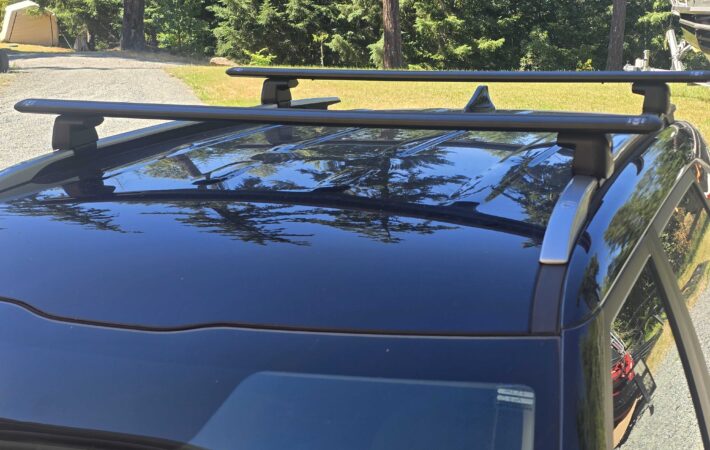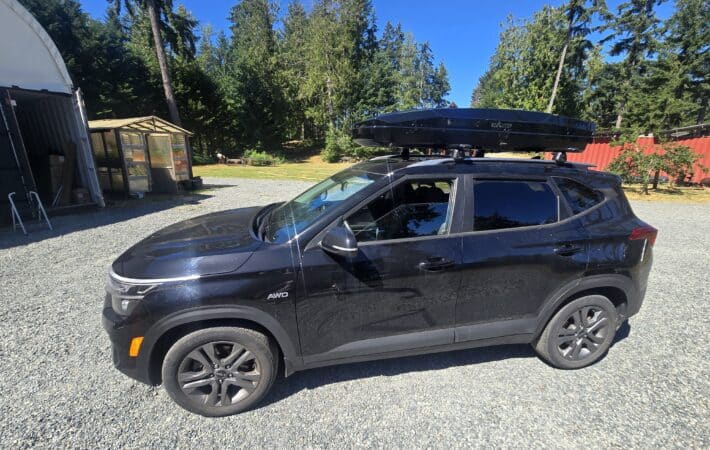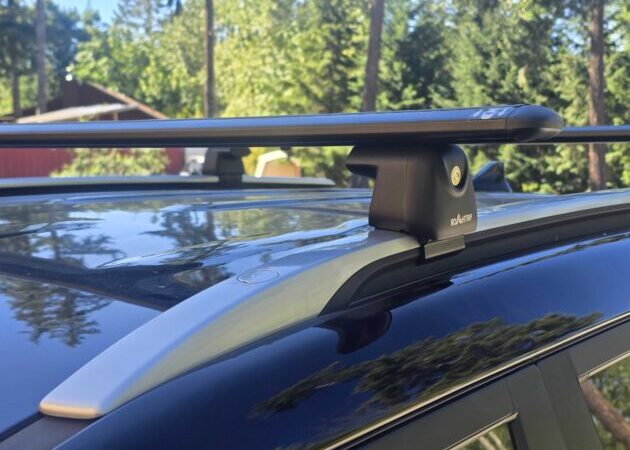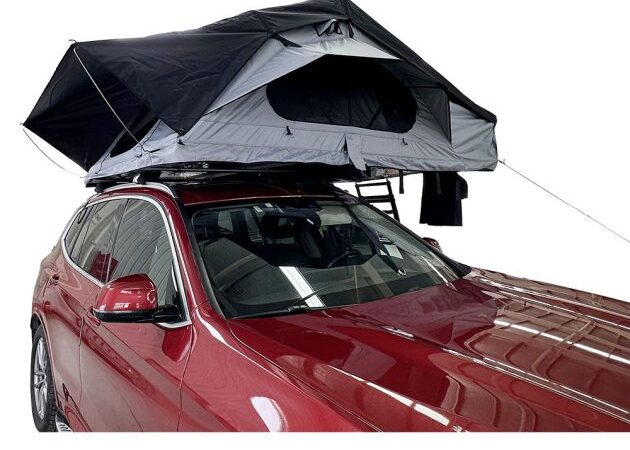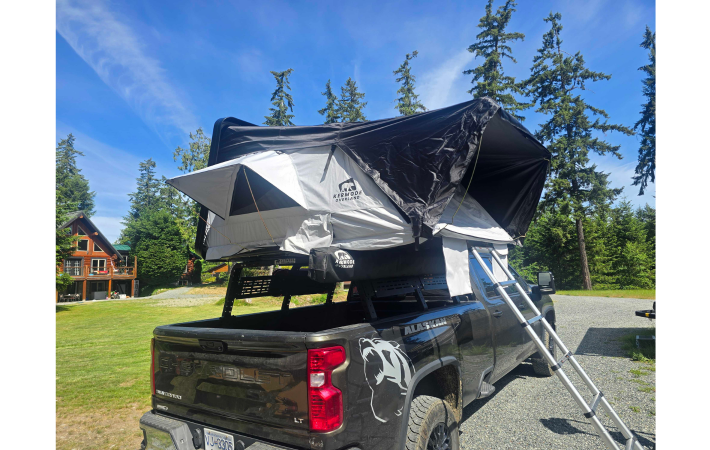

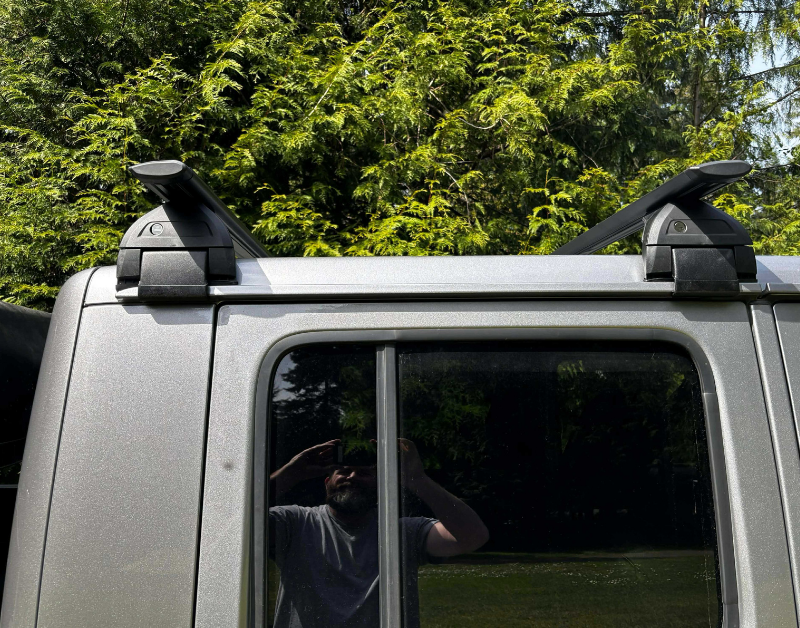
Cross bars are the base layer for anything you mount on top of your vehicle — a rooftop tent, a cargo box, bikes, a canopy. Choose poorly here and none of that gear will sit right, no matter how good it is. Below is exactly what to look at before you spend a cent.
Figure out your roof type first
Before comparing prices or brands, work out what kind of roof you’re actually dealing with. Vehicles generally fall into three categories:
Naked roof — no visible rails, no obvious attachment points (though many have hidden fixed points under the trim)
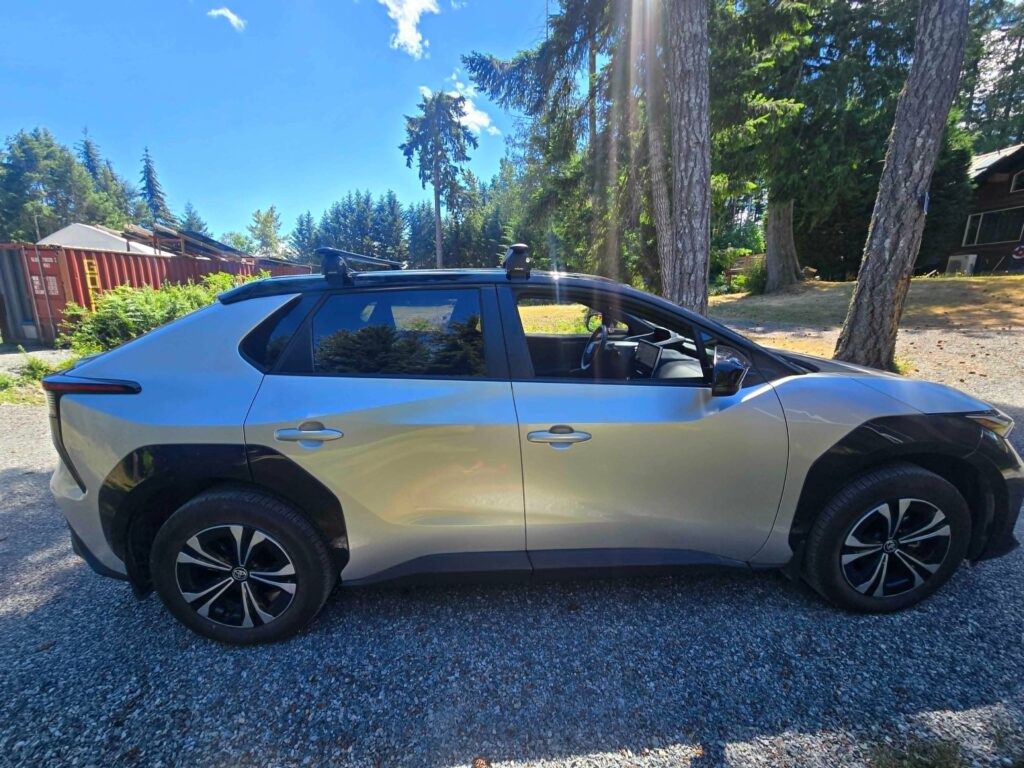
Roof rails, flush or raised — factory rails running the length of the roof
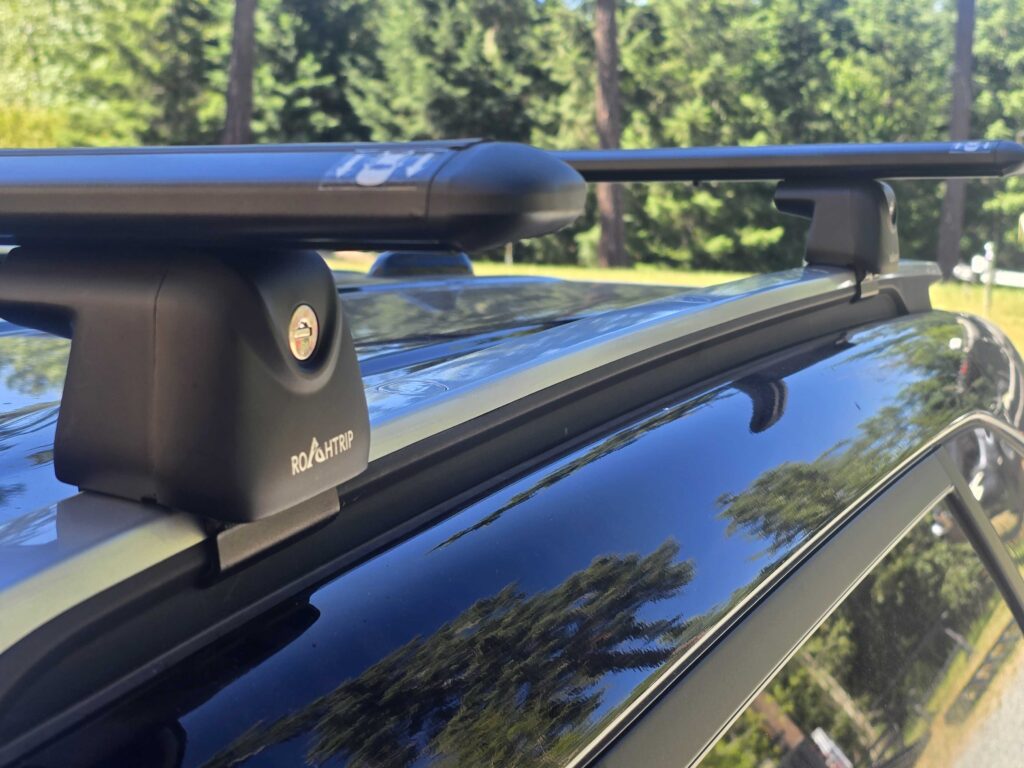
Raised roof rails — rails set above the roofline with a gap underneath
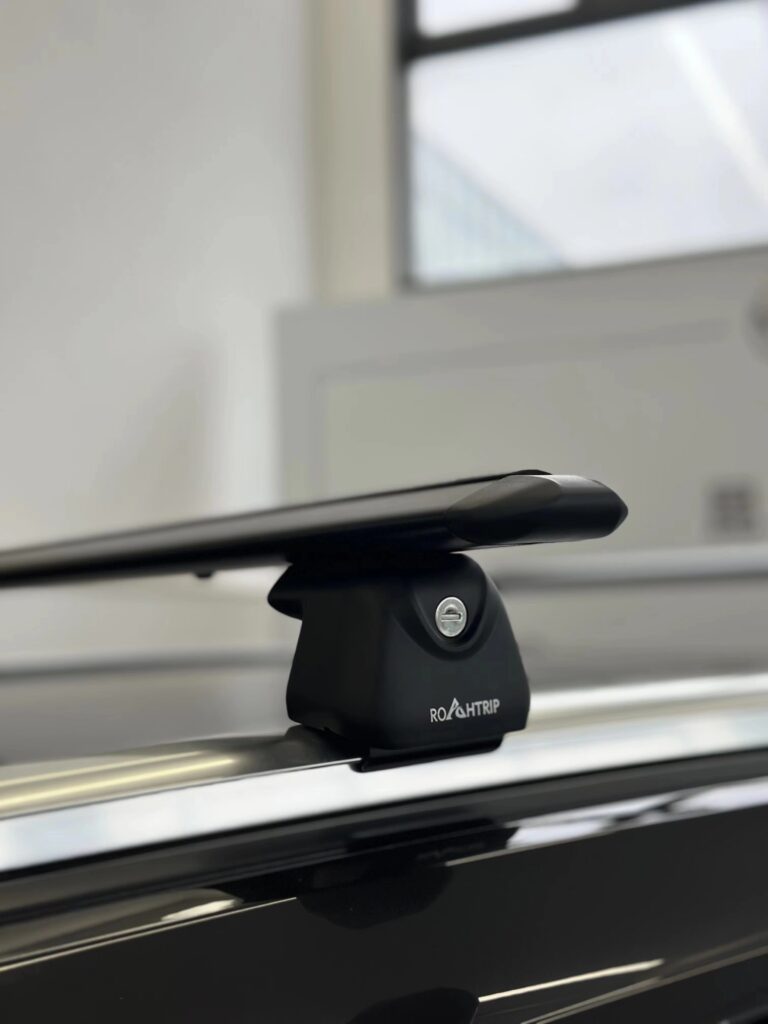
Raised roof rails — rails set above the roofline with a gap underneath
These three setups call for three different cross bar solutions, and none of them are interchangeable. We break each one down individually later in this series — but the key takeaway here is that your roof type is what limits your options, not your budget.
Understand load ratings — dynamic vs. static
Cross bar systems are rated two ways:
Dynamic capacity — the safe weight limit while driving (typically 75–165 lbs combined)
Static capacity — the weight limit while stationary, which is often much higher (500+ lbs in many cases) — this is the number that matters if you’re sleeping in a rooftop tent
If a tent is in your plans, pay closest attention to the static number. If you’re mainly transporting gear on the move, dynamic capacity is what keeps you road-legal and safe. And don’t stop at the cross bar’s rating — check your vehicle’s own roof load limit, since it’s a separate figure and usually the lower of the two.
Material makes a real difference
Steel — the most affordable per pound of strength, but heavier, noisier, and worse for fuel economy
Aluminum — lighter and quieter, a step up in price, the standard choice for most higher-end setups
Aero-shaped aluminum bars — wind-optimized to reduce noise and drag, a smart upgrade if you spend a lot of time on the highway
Universal kits vs. vehicle-specific systems
Universal bars cost less and adjust to fit a range of vehicles, but a vehicle-specific system — built for your exact year, make, and model — will sit tighter, look more integrated, and stay put better over time. If this vehicle is a long-term keeper, or you’re planning to carry something heavy like a rooftop tent, the extra cost of going vehicle-specific pays off.
A few more things to check before you buy
Locking cores — a small cost that deters theft
Accessory compatibility — some tents and boxes only clamp onto certain bar profiles (round, square, or aero), so check before assuming yours will fit
Bar height clearance — make sure they won’t interfere with a sunroof or moonroof track
Whether mounting hardware comes included or needs to be purchased separately
The short version: nail down your roof type first, then match your load requirements, and only after that start comparing materials and brands. Do it out of order and you’ll likely end up sending something back.
Find cross bar systems built for your exact vehicle at RooftopTents.ca — or get in touch and we’ll help confirm the right fit before you order.