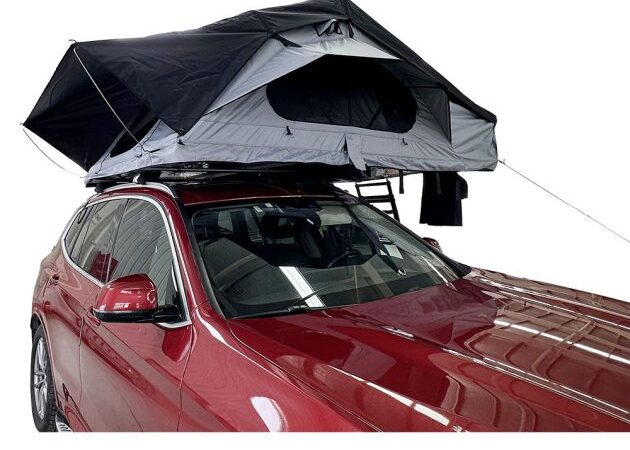

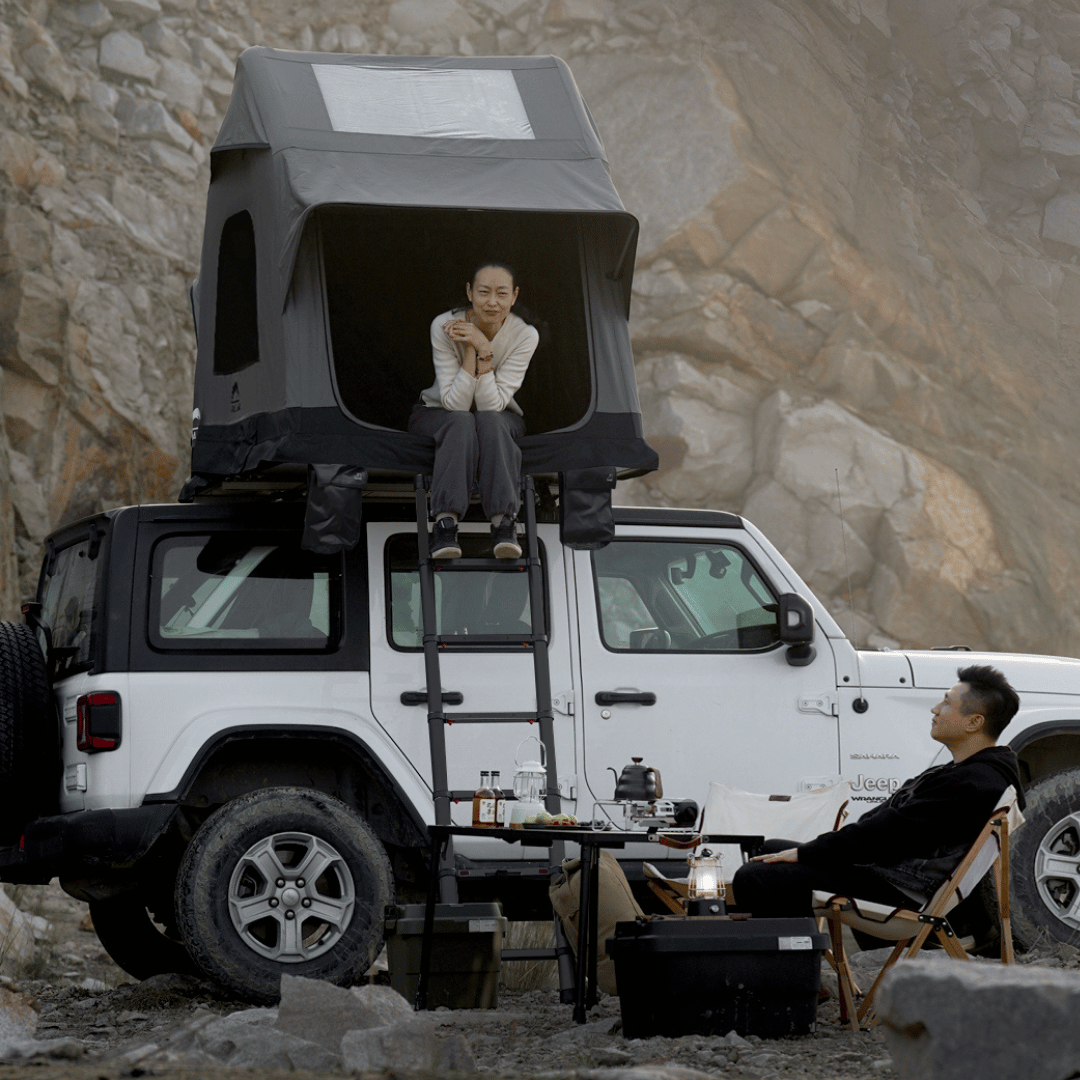
Before You Buy: How Often Will You Actually Camp?
Shopping for your first rooftop tent in Canada can feel overwhelming fast. One website says a tent is ultra-lightweight. Another promises all-weather performance. Then suddenly you’re comparing shell materials, weight ratings, ladder styles, and mattress thickness — and still have no idea what actually fits your needs.
The truth is, picking the best rooftop tent in Canada isn’t just about specs. It comes down to three practical things: your vehicle, how often you camp, and what kind of trips you actually take. Once you figure those out, deciding between a hard shell rooftop tent Canada setup or a soft shell rooftop tent Canada option becomes much easier.
Before comparing models, ask yourself one honest question:
How many nights per year will you realistically use your rooftop tent?
Less than 10 nights a year
If camping is mostly occasional weekends, summer road trips, or the odd getaway, you probably don’t need the most premium setup. In most cases, a soft shell rooftop tent offers better value and plenty of comfort for occasional use.
Around 10–25 nights annually
This is where the decision gets more balanced. If you’re regularly exploring forest service roads, weekend adventures, and multi-day trips, either option could work depending on your priorities.
More than 25 nights each year
Frequent campers, overlanders, and year-round adventurers usually benefit from the convenience and durability of a hard shell rooftop tent Canada setup. Faster deployment and stronger weather resistance become worth the investment.
Keeping this number in mind will make every other decision easier.
Match the Tent to Your Vehicle First
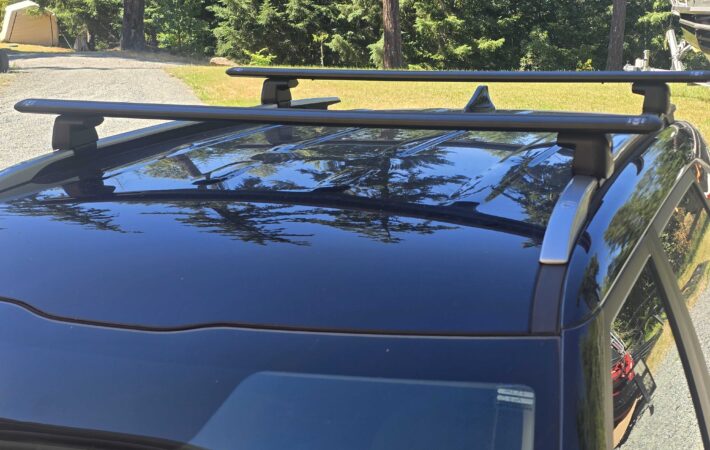
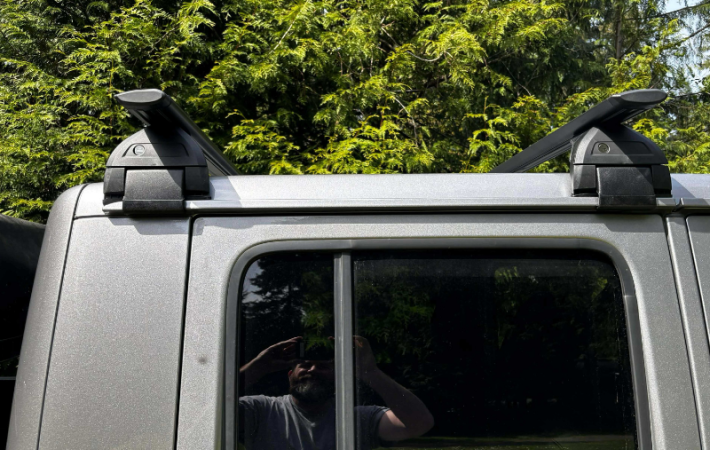
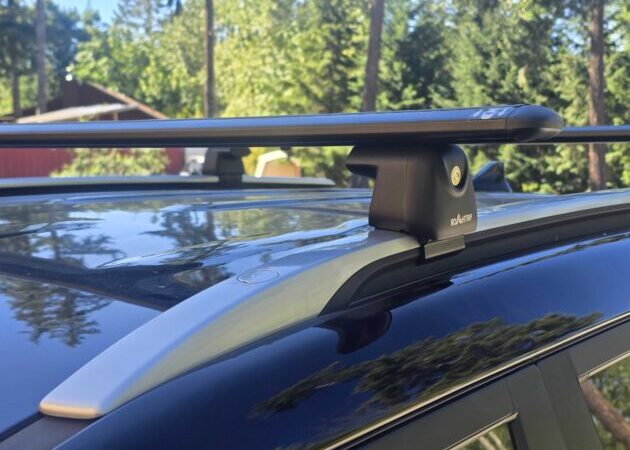
One of the biggest mistakes buyers make is choosing a tent before checking what their vehicle can safely support.
Whether you drive a truck, SUV, crossover, or Jeep, your setup matters just as much as the tent itself.
There are two roof ratings that matter:
- Static load rating: how much weight your roof can handle while parked.
- Dynamic load rating: how much weight your roof supports while driving.
The important number? Dynamic load capacity. Your rooftop tent sits on your vehicle every kilometre you travel.
Full-Size Trucks
Vehicles like the Ford F-150, Toyota Tundra, RAM 1500, Silverado, and Sierra are among the easiest vehicles to pair with rooftop tents.
With a quality truck bed rack, weight transfers to the truck bed rather than the roof, opening the door for almost any style of tent. Hard shell, soft shell, large-format family tents — all are typically possible.
Mid-Size Trucks
Tacomas, Rangers, Colorados, and Gladiators also perform well with rooftop tents, especially when using bed racks.
Most mid-size trucks comfortably support either shell type, though roof-mounted setups should always be checked against factory load ratings.
Larger SUVs
Vehicles such as the 4Runner, Land Cruiser, Bronco, and Sequoia generally handle both shell types well when paired with upgraded crossbars or a roof platform.
Factory rails alone are not always enough. Upgraded mounting systems make a major difference in safety and performance.
Mid-Size SUVs
Wranglers, Grand Cherokees, and similar SUVs can usually support soft shell rooftop tent Canada options comfortably. Hard shells may still work, but tent weight matters more.
Always compare the tent weight against your vehicle’s dynamic load limit before purchasing.
Smaller SUVs & Crossovers
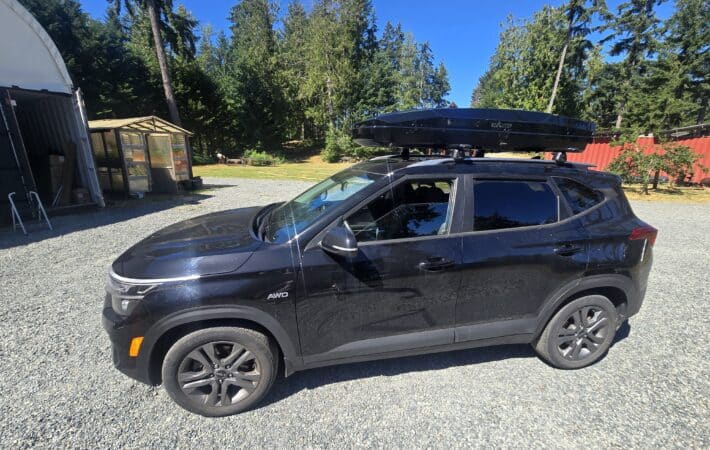
Vehicles like the Subaru Outback, Forester, Toyota RAV4, and Mazda CX-5 are more capable than many people think.
Most smaller SUVs can support lightweight soft shell models, while lighter aluminum rooftop tents may also work with reinforced crossbars.
If you drive a crossover, a lighter setup is usually the safer and more practical route.
Jeep Owners
Hardtop Wranglers with proper roof systems can often support rooftop tents, while soft-top Jeeps cannot safely carry rooftop tent systems.
Gladiators work exceptionally well with bed rack setups.
Bottom line: the tent matters, but your rack system matters just as much. Even the best rooftop tents Canada offers will underperform if mounted incorrectly.
Your Camping Routine Changes Everything
Once your vehicle setup is sorted, your next step is understanding how you camp.
You Move Campsites Frequently
If every day means packing up, driving somewhere new, and setting camp again, convenience matters.
Hard shell rooftop tents usually deploy much faster — often in under a minute — while soft shells require additional unfolding and setup.
For long road trips and overland travel, this time savings adds up quickly.
Best fit: Hard shell rooftop tent.
You Camp in One Place for Days
Weekend campers who stay put for several nights don’t always need instant setup.
If you only pitch camp Friday and pack Sunday, a soft shell setup can work perfectly well.
Best fit: Either shell type.
Summer Camping Is Your Main Season
Canadian summers, especially around British Columbia, make soft shell tents especially appealing.
Their larger windows and ventilation can feel more comfortable on warm nights.
If you mainly camp in sunshine and fair weather, a soft shell can save money while still giving you everything you need.
Best fit: Soft shell rooftop tent Canada setups.
You Camp Through Spring, Fall, or Colder Weather
Shoulder-season camping is where hard shells often stand out.
Rain, wind, and cold temperatures expose weaknesses quickly. Hard shell tents generally offer stronger weather protection, improved insulation, and easier setup in rough conditions.
If you enjoy BC camping in spring or fall, a hard shell rooftop tent Canada option may be worth the premium.
Camping With Kids?
Families often appreciate the larger sleeping footprint soft shell models provide.
Many soft shell tents comfortably fit two adults and a child, making them popular for family camping trips.
Best fit: Soft shell rooftop tents.
Using Your Vehicle During the Day
If you like driving into town, heading out for hikes, or exploring while keeping camp organized, setup convenience becomes important.
Hard shell tents are easier to manage when moving frequently.
Best fit: Hard shell.
What Rooftop Tents Really Cost in Canada
Budget plays a major role in choosing between a hard shell vs soft shell rooftop tent.
Average Rooftop Tent Pricing
Soft Shell Rooftop Tents
- Entry level: CAD $1,800–$2,500
- Mid-range: CAD $2,500–$3,800
- Premium: CAD $3,800–$5,500
Hard Shell Rooftop Tents
- Entry level: CAD $3,200–$4,500
- Mid-range: CAD $4,500–$6,500
- Premium aluminum rooftop tent Canada models: CAD $6,500–$9,000+
Yes, hard shells cost more upfront.
However, they often retain resale value better over time. Buyers shopping long term sometimes find the higher investment worthwhile.
Don’t Forget Mounting Hardware
Many buyers focus only on tent pricing and forget mounting costs.
Depending on your vehicle, you may also need:
- Crossbars: approximately $300–$900
- Roof platform racks: approximately $900–$1,800
- Truck bed racks: approximately $1,200–$2,500
The right rack setup isn’t optional — it’s part of building a safe and functional rooftop tent system.
Helpful Accessories Worth Budgeting For
Awnings provide additional shelter from rain and sun, making campsites significantly more comfortable.
Condensation mats help prevent moisture buildup under your mattress — especially important in wet Canadian climates.
Annex rooms create extra storage or changing space and can be especially useful for families.
Why Canadian Weather Should Influence Your Choice
Camping in Canada — especially in British Columbia — can put outdoor gear through real testing conditions.
Between coastal rain, changing temperatures, UV exposure, and rough backroads, durability matters.
Here are a few things worth paying attention to when comparing rooftop tents Canada buyers rely on.
Fabric Quality Matters
For soft shell tents, heavier fabrics generally hold up better over time.
Higher GSM canvas and quality waterproof coatings tend to perform better in wet environments.
Hardware Durability
Zippers, hinges, and locking systems often become the first signs of wear.
Marine-grade or corrosion-resistant materials are especially valuable in coastal areas.
Water Management
Rain runoff design matters more than most people realize.
A rooftop tent that sheds water efficiently will outperform one that allows pooling near seams during heavy rainfall.
Aluminum Construction
If you’re comparing premium models, an aluminum rooftop tent Canada setup can offer improved durability and corrosion resistance for long-term use.
Hard Shell or Soft Shell: Which One Makes Sense for You?
Still undecided? Here’s a quick breakdown.
Choose a Soft Shell Rooftop Tent If:
- You drive a lighter SUV or crossover
- You mainly camp during summer
- Sleeping space matters most
- Budget is a major factor
- You don’t mind a slightly longer setup process
Choose a Hard Shell Rooftop Tent If:
- You own a truck or larger SUV
- You camp regularly across multiple seasons
- You value quick setup and takedown
- Weather resistance matters
- You plan to keep your tent for years
When comparing hard shell vs soft shell rooftop tent options, neither is automatically better — it simply depends on how and where you camp.
Visit the Nanaimo Showroom Before You Buy
Sometimes the easiest way to choose between rooftop tents is to see them in person.
At Kermode Overland’s Nanaimo showroom, you can compare hard shell rooftop tent Canada and soft shell rooftop tent Canada options side by side, mounted on real rigs.
Seeing the setup, size, ladder angle, and overall feel in person often makes the decision much easier than reading specs online.
If you already know your vehicle make and model, bring the details along and get help matching the right tent, rack, and mounting setup for your next adventure.