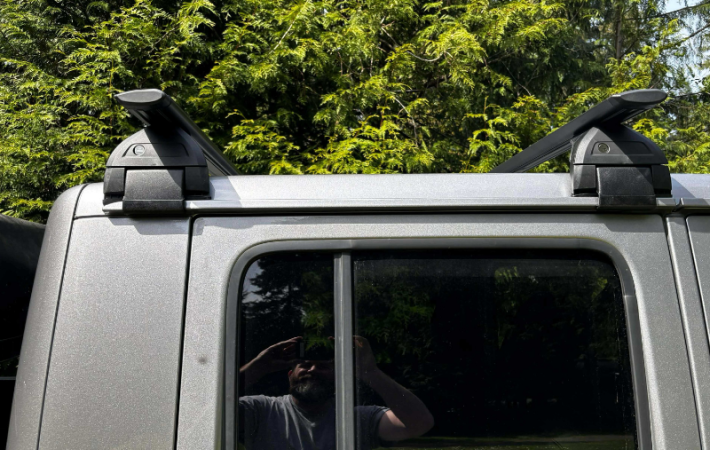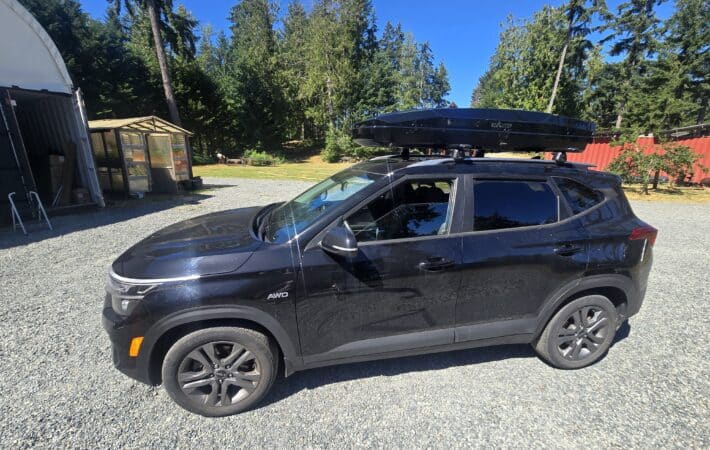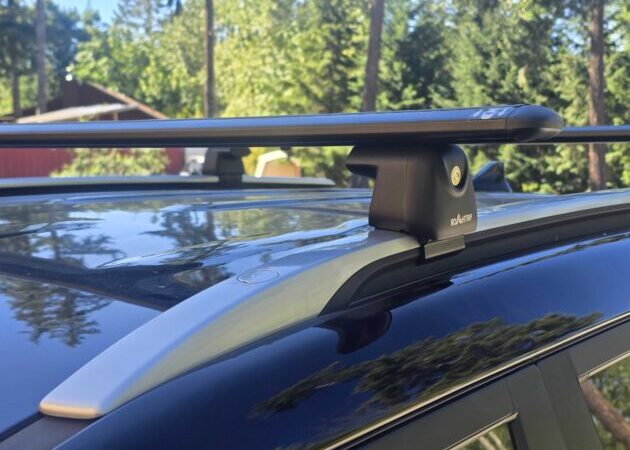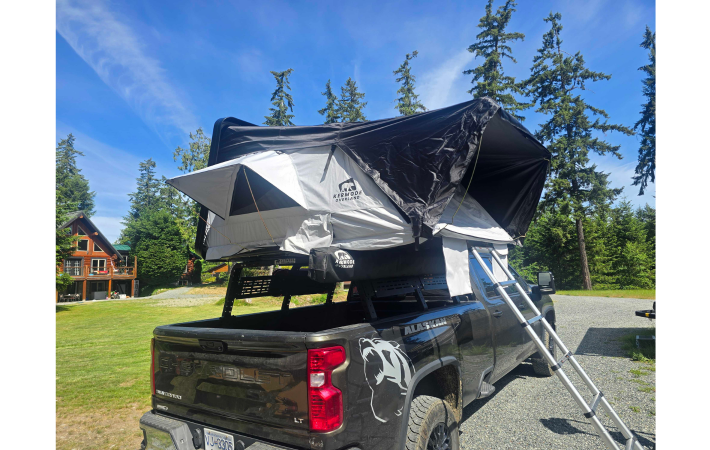

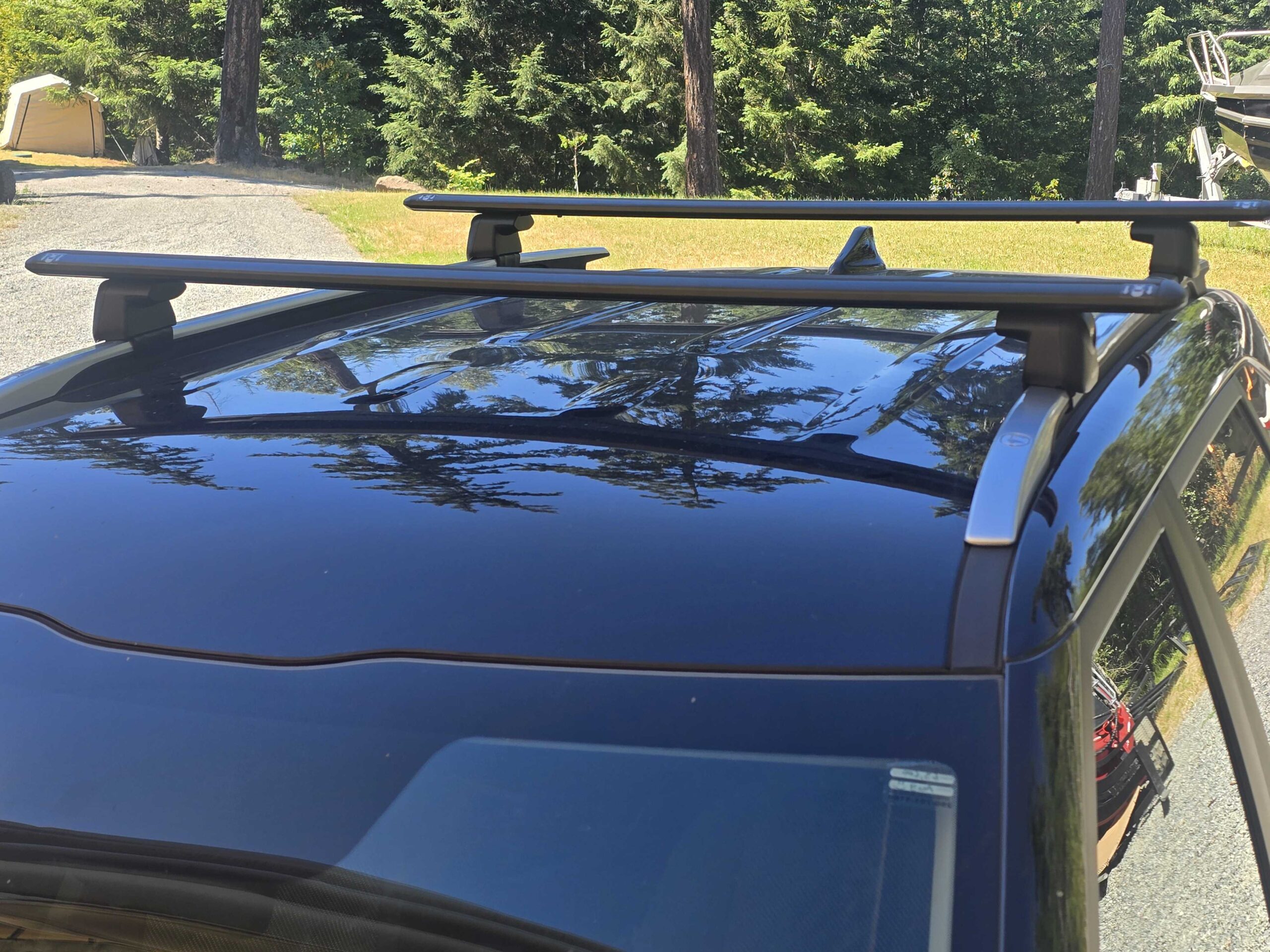
Raised roof rails — the type with a visible gap between the rail and the roof — are about as easy as roof types get when it comes to fitting cross bars. If this is what you have, you’re in good shape: the design practically anticipates cross bar clamps.
Why raised rails are the simplest option
That gap under the rail exists specifically so a clamp can wrap underneath it. Most clamp-on cross bar systems — universal and vehicle-specific alike — are built around this exact style, giving raised-rail owners more choice and often a lower price point than owners of bare-roof or flush-rail vehicles.
Universal or vehicle-specific?
Raised rails are one of the few roof types where a universal clamp-on system can work genuinely well, since the clamp doesn’t need to match precise factory anchor points the way a bare-roof system does. That said, going vehicle-specific still gets you:
- A lower-profile, more integrated look
- Somewhat higher load ratings in most cases
- Faster install, since bar length and clamp spacing are already matched to your vehicle
If you’re working with a tighter budget, a well-reviewed universal system on raised rails is a sensible choice — a call you generally can’t make as safely on a bare-roof or flush-rail setup, where fit tolerances are much tighter.
Before you order, check:
- Rail thickness — clamps only fit within a certain range, so measure your rail first, especially with a universal kit
- Rail material — aluminum and reinforced plastic both work fine with standard clamps, but confirm your system is rated for whichever you have
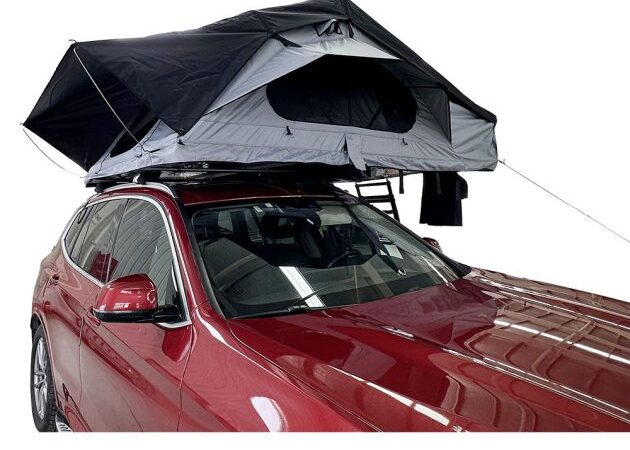
- Static load rating, if a rooftop tent is part of the plan — raised rails typically handle weight well, but confirm the actual number rather than assuming
- Clearance — raised rails sit taller than flush rails, worth factoring in if garage or carport height is tight
Installing them
Of the three roof types, raised rail systems are usually the quickest to install — most are simple clamp-and-tighten jobs doable in 15–30 minutes with minimal tools. Recheck clamp torque after your first 100 km, and periodically after that, since rail clamps can settle slightly with vibration over time.
Bottom line: raised rails offer the most flexibility of any roof type — go vehicle-specific for the cleanest fit, or universal if you’re saving money. Either way, measure your rail thickness first and confirm your static load rating before mounting a rooftop tent.
Ready to find the right fit? Browse cross bar systems for raised rail vehicles, or send us your vehicle details and we’ll confirm compatibility before you order.