
Overlanding has taken off across Canada, and it is easy to see why. With this much wilderness on our doorstep, the appeal of loading up a capable vehicle and heading off the pavement to camp wherever the road ends is hard to beat. But if you are just starting out, the gear side can feel overwhelming. Rooftop tents, awnings, racks, recovery kit, and a hundred accessories, all with strong opinions attached. Where do you even begin?
This guide is your starting point. We will walk through what an overlanding setup actually is, the core components every Canadian build needs, what each part does, and the order to buy things in so you spread the cost sensibly. Think of this as the map. From here you can dig into any single piece of gear in more detail. Whether you are outfitting a truck, an SUV, or a Jeep, the goal is the same: a setup that gets you out there comfortably and brings you home safely.
What Is an Overlanding Setup?
Overlanding is vehicle-based travel where the journey is the point. You are self-reliant, carrying what you need to camp and travel for days at a time, often far from services. It is different from off-roading, where the challenge of the terrain is the goal, and different from car camping, where you drive to a campsite and set up. Overlanding sits in between: you use a capable vehicle to reach remote places, then live out of it comfortably.
An overlanding setup is the collection of gear that makes that possible. At its core it covers four things: where you sleep, shelter from the elements, how you carry it all, and how you get unstuck when the terrain bites back. Everything else builds on those four pillars. You do not need all of it at once, and you certainly do not need the most expensive version of everything. You need a setup that matches the kind of trips you actually take.
The Four Pillars of a Canadian Overland Build
Before getting into individual gear, it helps to see the whole picture. A complete setup comes down to four categories, each covered in detail below:
- The rooftop tent: where you sleep, up off the cold and wet ground.
- The awning: your shelter and living space when you are parked.
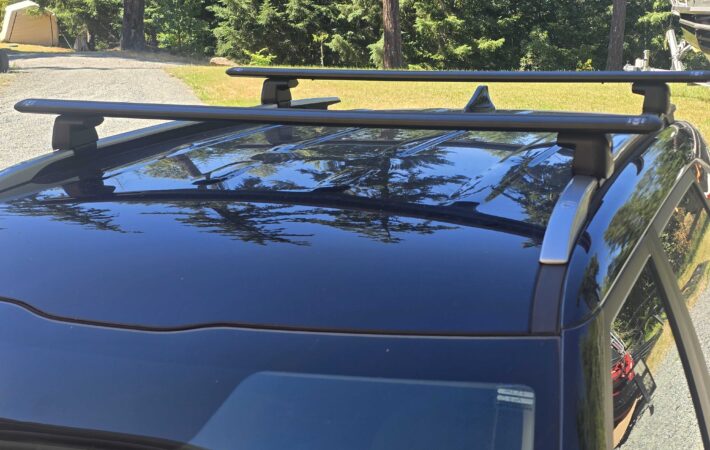
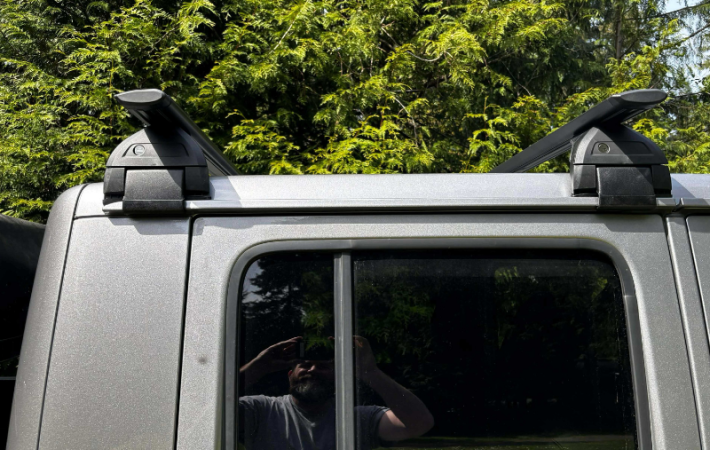
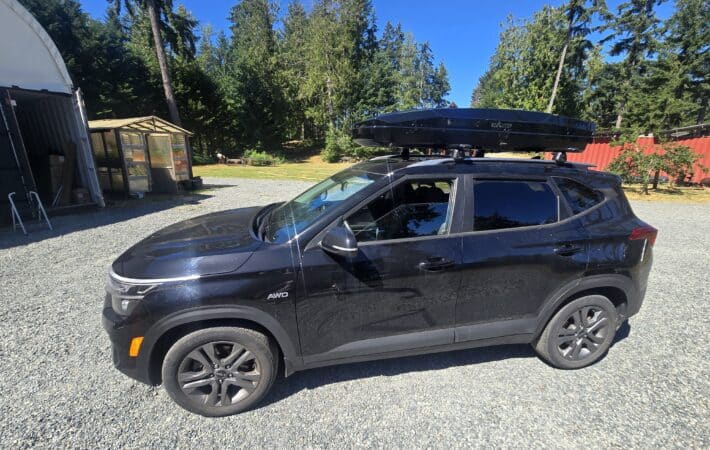
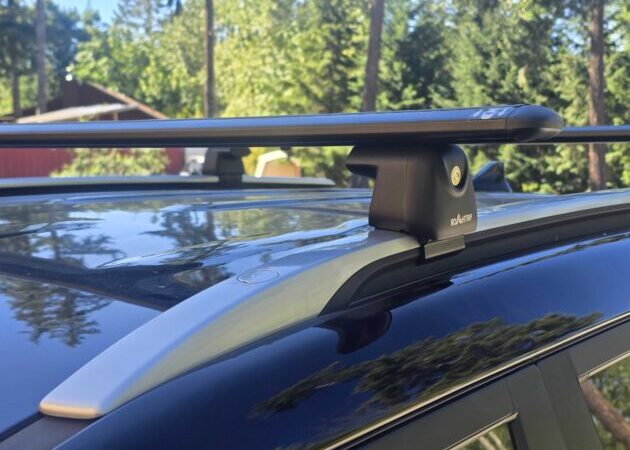
- The rack system: the foundation that carries your tent, awning, and gear.
- Recovery gear: what keeps a stuck vehicle from ending your trip, which matters more in Canada’s backcountry than almost anywhere.
Get these four right and you have a setup that works across the country, from coastal BC to the prairies to the Maritimes. Let us look at each.
Rooftop Tents: Where You Sleep
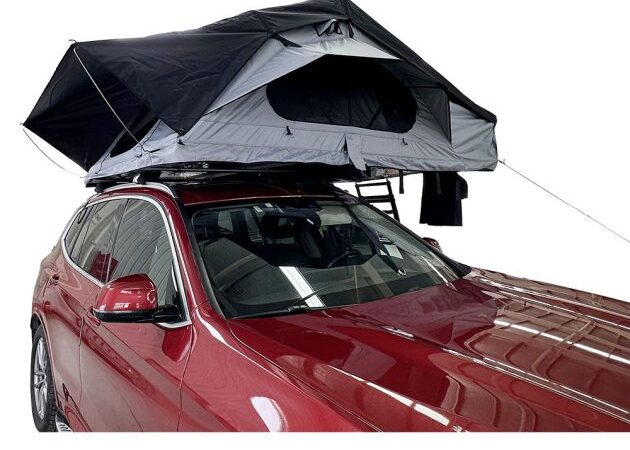
For most Canadian overlanders, the rooftop tent is the heart of the build, and it is usually the first major purchase. Sleeping up on your roof rather than on the ground keeps you off cold, wet, uneven terrain, away from pooling water and most critters, and gets you set up in minutes rather than wrestling with a ground tent in the dark.
There are two main types. Soft shell tents fold out and offer more sleeping space for the money, which suits families and longer stays. Hard shell tents are quicker to deploy and more aerodynamic, which suits frequent, fast trips. Which one is right depends on your trips and your climate, and that decision deserves its own deep dive.
Internal link: Rooftop Tents product category. Also link to the existing article: Hard Shell vs Soft Shell Rooftop Tents: Which Is Right for Canadian Weather?
For Canadian conditions specifically, look for solid cold-weather capability, good condensation management, and a four-season rating if you camp into the shoulder seasons. A quality tent is an investment, but it is the one piece you will use every single night out, so it is worth getting right.
Awnings: Your Shelter and Living Space
If the tent is where you sleep, the awning is where you live. Mounted to your rack, it extends out from the side or rear of the vehicle to give you covered space for cooking, eating, and relaxing out of the sun, rain, or snow. In a country where the weather can turn in minutes, an awning transforms a trip from huddling in the vehicle to actually enjoying camp.
Basic awnings are a simple pull-out shade. Larger awnings and awning rooms add walls and enclosed space, turning the side of your vehicle into a weatherproof room. For Canadian trips, a sturdy awning that handles wind and rain earns its place fast. It is often the second or third purchase in a build, right after the tent and the rack to mount it on.
Internal link: Awnings product category. Also link to any awning comparison or buying-guide article once published.
Rack Systems: The Foundation That Carries It All
Here is the piece beginners often overlook: none of the gear above mounts to your vehicle without a proper rack system. The rack is the foundation, and it determines what you can carry and how much weight you can safely put up top. Get this wrong and nothing else fits.
There are a few common approaches depending on your vehicle:
- Roof racks and crossbars: mount to the roof of an SUV or Jeep to carry a tent, awning, and cargo. The most common starting point.
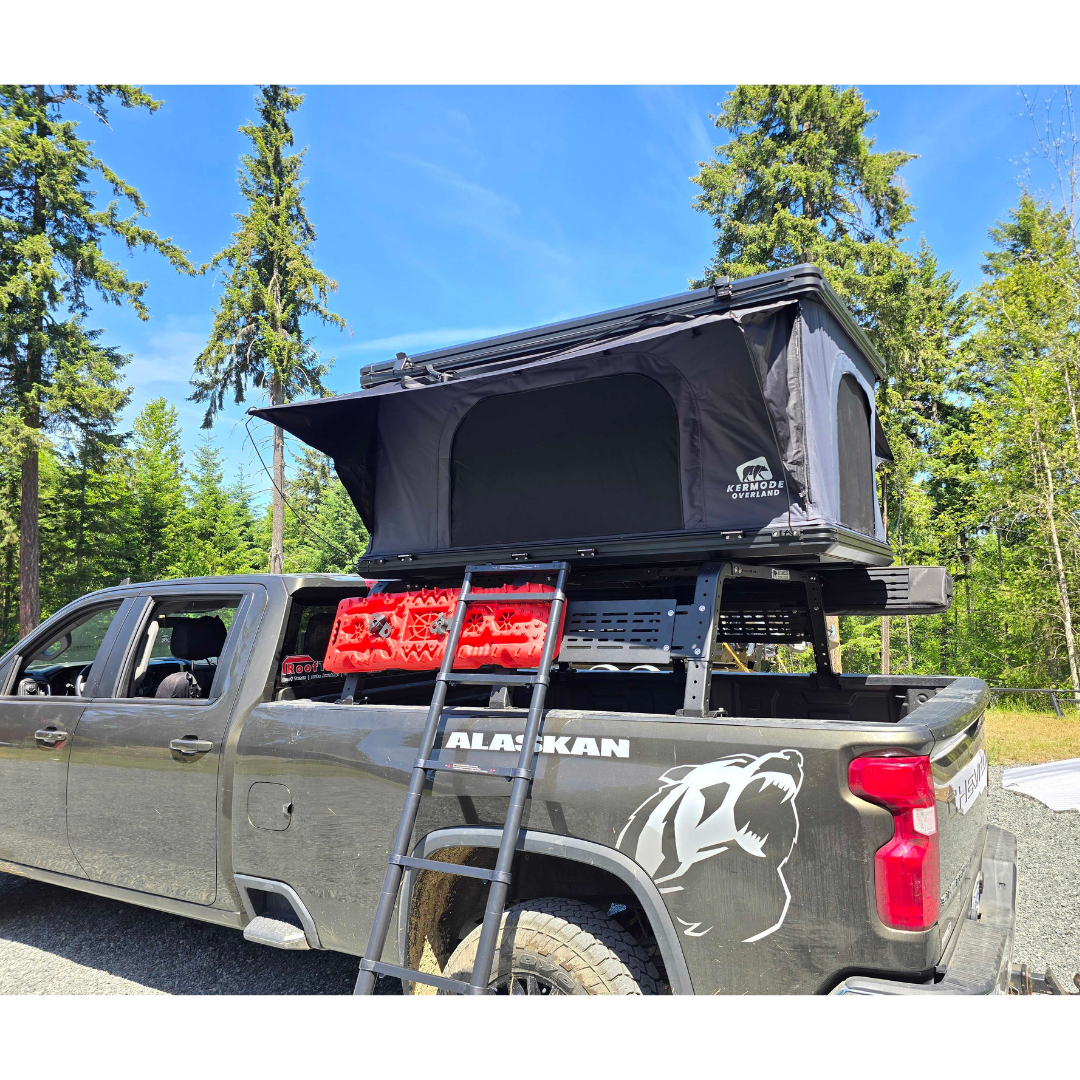
- Bed racks: for trucks, these sit over the bed to carry a rooftop tent while keeping the bed usable.
- Full platform racks: flat decks that maximize mounting space for tents, awnings, traction boards, and gear.
The critical number here is your vehicle’s dynamic and static weight ratings, how much the roof can carry while moving versus parked. A rooftop tent plus occupants can exceed a roof’s dynamic rating if you do not plan for it, so matching the rack and tent to your specific vehicle is essential. This is the part of a build most worth getting expert help on.
Internal link: Roof Racks, Bed Racks, and Crossbars product categories. Also link to any vehicle-specific rack fitment articles.
Recovery Gear: Getting Unstuck in the Canadian Backcountry
This is the pillar that separates a setup that looks the part from one that is genuinely ready for Canada. Our backcountry is vast, often remote, and the terrain ranges from prairie mud to mountain snow to coastal bog. Getting stuck far from help is a real risk, and the right recovery gear is what turns a trip-ending situation into a minor delay.
A sensible starter recovery kit includes:
- Traction boards: placed under the tires to get grip in mud, sand, or snow. Often the simplest fix for a stuck vehicle.
- A recovery strap or kinetic rope: for being pulled out by another vehicle, the most common recovery scenario.
- Rated shackles and a recovery point: the safe connection points for any pulling. Never improvise these, since recovery forces are dangerous.
- A shovel: basic but invaluable for digging out and clearing around tires.
- Gloves and basic tools: for working safely and handling repairs.
As you travel more remote and more solo, a winch and air-down/inflation kit become worth adding. But even a modest recovery kit dramatically improves your safety and self-reliance, and it is gear no Canadian overlander should skip.
Internal link: Recovery Gear product category. Also link to any recovery-gear buying guide or how-to article.
What to Buy First: Building Your Setup in the Right Order
You do not have to buy everything at once, and spreading the cost is smart. Here is a sensible order for most Canadian builds:
- Rack system first. Everything mounts to it, so it comes before the gear it carries. Match it to your vehicle’s weight ratings.
- Rooftop tent second. The piece you use every night out. The main reason most people start overlanding.
- Recovery gear third. Before you go anywhere truly remote, build at least a basic kit. This is safety, not luxury.
- Awning fourth. Once the essentials are sorted, the awning hugely improves comfort at camp.
- Accessories last. Lighting, storage, kitchen setups, and power round things out as you learn what you actually need.
That last point matters. The best way to learn what gear you need is to get out there with the essentials and let real trips teach you. It is easy to over-buy upfront on gear that sits unused. Start with the foundation, add as you go.
Do You Need a 4×4 to Start Overlanding?
This is one of the most common beginner questions, and the honest answer is no, not to start. Plenty of overlanding in Canada happens on gravel forest service roads and maintained backcountry routes that a capable all-wheel-drive crossover or even a careful two-wheel-drive vehicle can handle in good conditions. What matters more early on is ground clearance, decent tires, and not pushing beyond your vehicle’s limits.
That said, four-wheel drive and proper clearance open up far more terrain and give you a bigger safety margin when conditions turn, which they do quickly in Canada. The practical approach is to start with the vehicle you have, learn its limits on easier routes, and let your trips guide whether a more capable vehicle is worth it down the line. Your setup can grow with your ambitions.
FAQ
What do I actually need to start overlanding in Canada?
At minimum, a way to sleep off the ground, a basic recovery kit, and a vehicle that suits the routes you plan to take. A rooftop tent on a properly rated rack covers sleeping, traction boards and a recovery strap cover the basics of getting unstuck, and the rest you add over time. You can start modestly and build as you learn.
How much does a full overlanding setup cost?
It varies enormously based on the gear you choose. A budget-conscious starter setup built around an entry-level tent, rack, and basic recovery kit costs far less than a premium build with a hard shell tent, platform rack, awning room, and winch. The good news is you can build in stages and spread the cost across seasons rather than spending it all at once.
Can I put a rooftop tent on any vehicle?
Most vehicles can carry a rooftop tent, but the key is matching the tent and rack to your vehicle’s weight ratings. The roof has a dynamic limit for driving and a higher static limit for when parked. A heavy tent plus occupants must stay within these. Checking your vehicle’s specs, or asking for help with fitment, prevents an unsafe or damaging setup.
Build Your Canadian Overlanding Setup With Confidence
A great overlanding setup is not about buying the most gear. It is about building the right setup for the trips you want to take, in the right order, with gear that holds up to Canadian conditions. Start with a solid foundation, add as your adventures grow, and you will be out exploring sooner than you think.
Rooftop Tents Canada carries everything covered in this guide, with shipping across the country and gear chosen for Canadian conditions. Explore our rooftop tents, awnings, racks, and recovery gear to start building your setup, and reach out anytime if you want help matching components to your vehicle. The backcountry is waiting.