

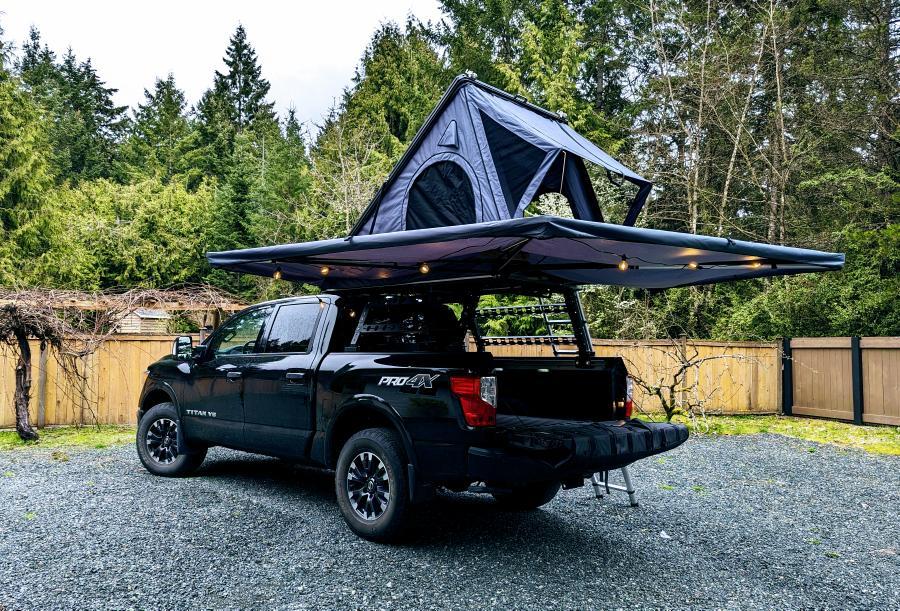
If you’ve spent any time researching overlanding gear, you’ve probably noticed there’s no shortage of accessories promising to improve your adventures. From rooftop tents and awnings to recovery gear and storage solutions, it’s easy to get caught up in buying equipment you may never actually use.
The truth is, the best overlanding accessories aren’t necessarily the most expensive—they’re the ones that make every trip safer, more comfortable, and more enjoyable. Whether you’re exploring British Columbia’s forest service roads, camping in the Rockies, or heading north for a weekend off the grid, investing in the right gear can transform your outdoor experience.
This guide highlights the overlanding accessories that consistently deliver value for Canadian campers and off-road enthusiasts. Rather than chasing trends, we’ll focus on equipment that improves organization, comfort, efficiency, and preparedness while helping you build an adventure vehicle that’s ready for years of exploration.
Why Investing in Quality Overlanding Accessories Matters
Every overlander develops a different travel style, but one lesson is universal: reliable equipment makes every journey easier.
Quality accessories can help you:
- Reduce campsite setup time
- Stay organized during longer trips
- Improve comfort in changing weather
- Travel more confidently on remote roads
- Protect your vehicle and camping equipment
- Expand your vehicle’s capabilities without unnecessary complexity
Instead of purchasing every new accessory available, focus on building a practical system that suits your adventures.
Start with the Foundation: Your Vehicle Setup
Before adding accessories, ensure your vehicle has a solid foundation.
A well-planned setup makes future upgrades easier and often prevents compatibility issues.
Consider:
- Your vehicle type
- Available roof or bed space
- Passenger and cargo requirements
- Typical trip length
- Camping style
Once you’ve identified your needs, you can prioritize accessories that offer the greatest long-term value.
1. Rooftop Tents
A rooftop tent is often the first major investment for overlanders—and for good reason.
Compared to traditional ground tents, rooftop tents offer a faster, more convenient camping experience while keeping you elevated above uneven or damp ground.
Benefits
- Faster campsite setup
- Comfortable sleeping platform
- Better campsite flexibility
- Organized sleeping system
- Reduced packing time
Hard Shell Rooftop Tents
Well suited to:
- Frequent travellers
- Weekend campers
- Couples
- Solo adventurers
Known for quick deployment and streamlined travel.
Soft Shell Rooftop Tents
Ideal for:
- Families
- Longer stays
- Larger sleeping areas
They often provide more interior space while remaining an excellent choice for many camping styles.
2. Roof Racks and Crossbars
Every rooftop adventure begins with a reliable mounting system.
Roof racks and crossbars provide the platform for carrying rooftop tents and other compatible outdoor equipment.
Why They Matter
They create flexibility for carrying:
- Rooftop tents
- Cargo boxes
- Bikes
- Kayaks
- Paddleboards
- Camping storage
Choosing a quality rack system also makes future upgrades much easier.
3. Truck Bed Racks
Pickup owners have another excellent option.
Truck bed racks position rooftop tents lower than many roof-mounted setups while preserving valuable cargo space underneath.
Advantages
- Better gear organization
- Easier tent access
- Lower centre of gravity
- Flexible storage underneath
For many Canadian overlanders, this becomes the centrepiece of an efficient camping system.
4. Camping Awnings
Ask experienced overlanders which accessory they use on almost every trip, and awnings are usually near the top of the list.
An awning instantly creates a sheltered outdoor living space.
Great For
- Cooking
- Dining
- Relaxing
- Escaping summer sun
- Shelter during rain
Canada’s unpredictable weather makes this one of the most practical upgrades available.
5. Annex Rooms
For campers spending several days at one location, an annex room can significantly expand living space.
Common uses include:
- Changing area
- Gear storage
- Additional privacy
- Shelter during poor weather
While not essential for every camper, they’re a valuable addition for longer adventures.
6. Recovery Gear
Even if you never plan to tackle extreme trails, recovery gear is an investment in preparedness.
Remote roads, muddy campsites, loose gravel, and unexpected conditions can happen almost anywhere.
Recovery equipment helps prepare you for those situations responsibly.
7. Camping Accessories
The smallest accessories often make the biggest difference.
Examples include:
- Camp lighting
- Folding tables
- Storage bags
- Camping chairs
- Cooking organizers
- Water storage solutions
Rather than purchasing everything at once, add accessories as your camping experience grows.
Product Comparison: Which Accessories Should You Prioritize?
| Accessory Category | Best For | Priority for Beginners |
| Rooftop Tent | Comfortable camping | ★★★★★ |
| Roof Rack / Crossbars | Vehicle foundation | ★★★★★ |
| Truck Bed Rack | Pickup owners | ★★★★★ |
| Awning | Shelter and comfort | ★★★★☆ |
| Camping Accessories | Everyday convenience | ★★★★☆ |
| Recovery Gear | Safety and preparedness | ★★★★☆ |
| Annex Room | Extended stays | ★★★☆☆ |
This order helps many first-time overlanders build their setup gradually without overspending.
Seasonal Recommendations for Canadian Adventures
Spring
Spring often brings muddy roads and changing weather.
Recommended priorities:
- Recovery gear
- Awning
- Waterproof storage
Summer
Peak camping season calls for comfort.
Great additions include:
- Rooftop tent
- Awning
- Camp chairs
- Lighting
- Cooking accessories
Autumn
Cooler temperatures and shorter days make campsite organization increasingly important.
Storage systems and lighting become especially valuable.
Winter
Winter camping requires thoughtful preparation.
Ensure your equipment is suitable for cold-weather use, inspect it regularly, and always follow manufacturer recommendations.
Buying Advice: Invest for the Long Term
One of the biggest mistakes beginners make is buying gear simply because it’s popular online.
Instead, ask yourself:
How often will I camp?
Weekend campers may need fewer accessories than full-time overlanders.
Where do I usually travel?
Provincial parks have different demands than remote logging roads or backcountry routes.
What problem am I trying to solve?
The best accessory is the one that improves your camping experience—not the one with the longest feature list.
Expert Tips from Experienced Overlanders
Veteran campers often share similar advice:
- Buy quality once instead of replacing cheap equipment.
- Build your setup gradually.
- Prioritize organization over quantity.
- Practice using your equipment before remote trips.
- Keep heavy gear low in the vehicle.
- Review your setup after every adventure and remove items you never use.
An efficient setup is usually a simple setup.
Common Mistakes to Avoid
Buying Everything at Once
Start with the essentials and expand your gear collection as your experience grows.
Ignoring Compatibility
Always verify that accessories work with your vehicle and existing rack system.
Overloading Your Vehicle
Every additional item adds weight.
Carry only the equipment you’ll actually use.
Focusing on Appearance
A well-organized vehicle that suits your travel style is more valuable than a setup built purely for aesthetics.
Forgetting Maintenance
Regularly inspect:
- Rack hardware
- Mounting brackets
- Fabric components
- Recovery equipment
- Storage systems
Routine maintenance improves both safety and longevity.
Real-World Example
Imagine planning a week-long overlanding trip through the Canadian Rockies.
Instead of filling every available space with gear, you prioritize a rooftop tent, an awning, recovery essentials, organized storage, and a dependable rack system.
The result? Campsite setup takes just a few minutes, cooking stays comfortable even during afternoon showers, and your equipment remains easy to access throughout the trip. Rather than managing clutter, you spend more time enjoying mountain views, hiking nearby trails, and relaxing around camp.
This is the value of investing in accessories that solve real problems rather than simply adding more equipment.
Recommended Product Categories
If you’re building or upgrading your overlanding vehicle, these product categories offer excellent long-term value:
Hard Shell Rooftop Tents
Ideal for campers who prioritize quick deployment and streamlined travel.
Soft Shell Rooftop Tents
A practical option for families or campers who want generous sleeping space.
Roof Racks
Provide the foundation for mounting rooftop tents and other compatible outdoor equipment.
Crossbars
Support rooftop accessories and create a flexible platform for future upgrades.
Truck Bed Racks
A smart solution for pickup owners seeking better organization and easier rooftop tent access.
Awnings
Expand your campsite with convenient shade and weather protection.
Annex Rooms
Create additional sheltered space for privacy, storage, or changing.
Camping Accessories
Improve comfort and organization with practical additions such as lighting, tables, storage solutions, and cooking equipment.
Recovery Gear
An important part of responsible off-road travel, helping you prepare for unexpected conditions.
Frequently Asked Questions
What are the most important overlanding accessories for beginners?
Many beginners start with a compatible rack system, a rooftop tent, basic camping accessories, and essential recovery gear. These items provide a solid foundation for future upgrades.
Should I buy all my overlanding gear at once?
Not necessarily. Building your setup over time allows you to learn what you actually use and prevents unnecessary spending.
Is an awning worth buying?
For many campers, yes. An awning provides shade, rain protection, and additional outdoor living space, making it one of the most frequently used accessories.
Do I need recovery gear if I don’t drive difficult trails?
Even on maintained roads and campgrounds, changing weather or soft ground can create challenging conditions. Carrying appropriate recovery gear is a sensible way to prepare for unexpected situations.
What’s the difference between a roof rack and a truck bed rack?
Roof racks mount to the roof of compatible vehicles, while truck bed racks are designed specifically for pickup trucks and position equipment above the bed.
Which rooftop tent is best for overlanding?
The right rooftop tent depends on your vehicle, travel style, group size, and how frequently you camp. Hard shell and soft shell models each have advantages depending on your needs.
Conclusion
The best overlanding accessories are the ones that make every journey more comfortable, organized, and enjoyable—not simply the ones with the most features. By investing in practical upgrades such as a quality rooftop tent, dependable rack system, awning, recovery gear, and well-chosen camping accessories, you can build an adventure vehicle that’s ready for everything from weekend escapes to extended expeditions across Canada.
Take your time, prioritize equipment that fits your travel style, and upgrade your setup as your experience grows.
At RooftopTents.ca, we’re passionate about helping Canadians get more from every outdoor adventure. Browse our carefully selected collections of hard shell rooftop tents, soft shell rooftop tents, roof racks, crossbars, truck bed racks, awnings, annex rooms, camping accessories, and recovery gear, or contact our experienced team for personalized advice. Whether you’re just getting started or refining an established overlanding rig, we’re here to help you build a setup you’ll enjoy for years to come.