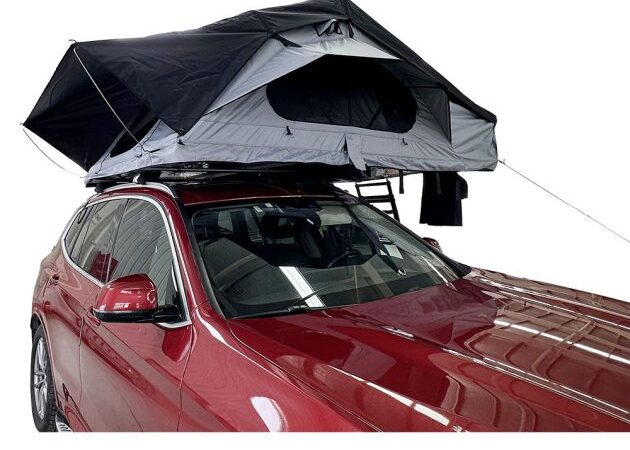

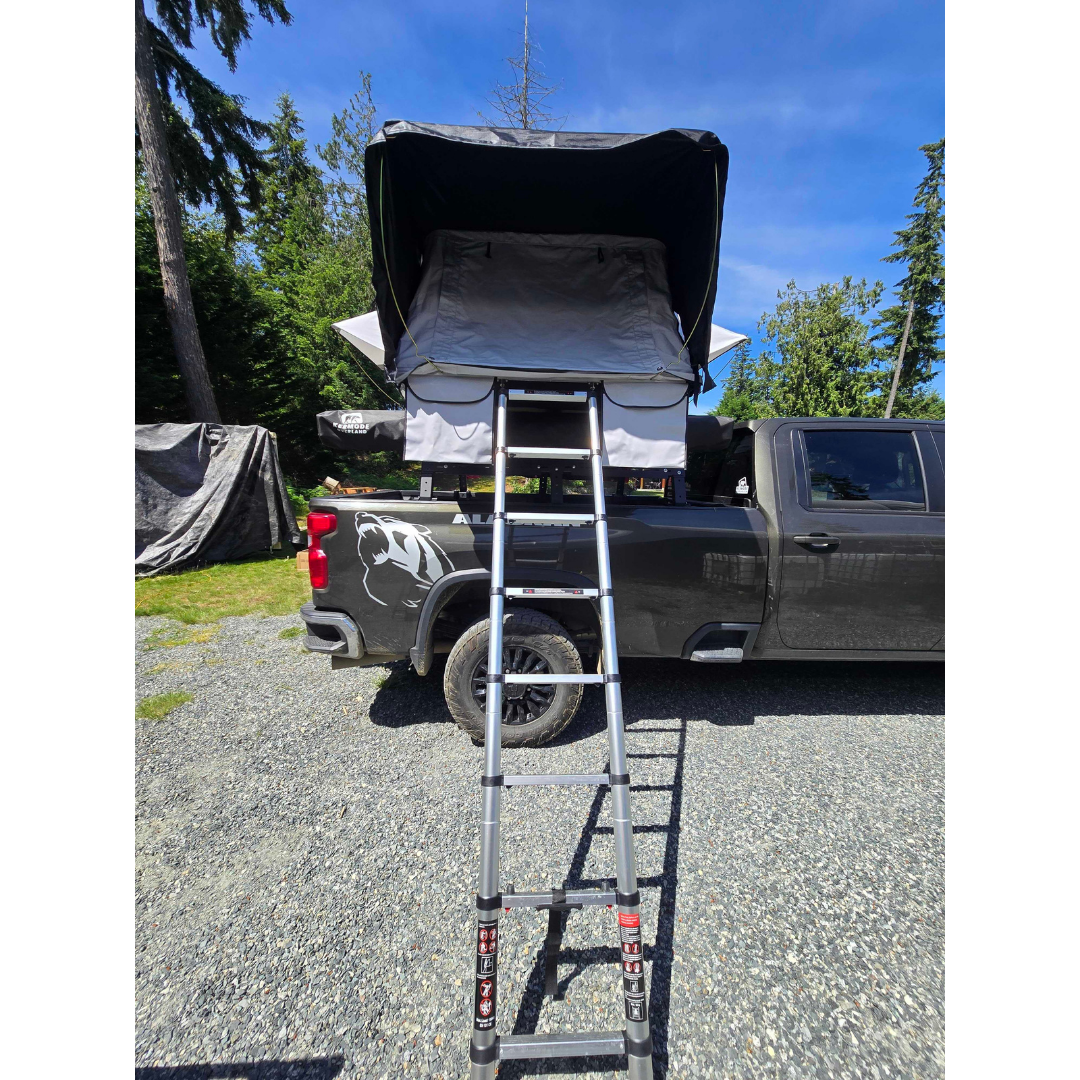
British Columbia might be the best overlanding province in the country. Thousands of kilometres of forest service roads, alpine lakes you can camp right beside, coastal rainforest, dry interior canyons, and mountain passes that reward you with views you cannot get any other way. Whatever kind of trip you are after, BC has a version of it.
The trick is matching the destination to your experience and your setup. A brand-new overlander in a stock crossover wants a very different route than a seasoned driver in a built rig. So rather than just listing trails, this guide sorts BC’s best overlanding spots by who they suit, from relaxed weekend escapes to the legendary routes that earn bragging rights. Find your level, pack your rooftop tent, and pick your next trip.
For Your First Trips: Easy, Accessible Overlanding
If you are new to overlanding or running a stock SUV or crossover, start where the roads are forgiving and the scenery still delivers. These spots let you build confidence without testing your vehicle’s limits.
Vancouver Island’s Pacific Rim Corridor
The route from Parksville toward Tofino and Ucluelet is one of the most scenic drives in the country, and the surrounding area is full of accessible camping near coastal rainforest and beaches. You get the overlanding feel, remote, wild, beautiful, on mostly maintained roads, with plenty of established spots to set up your rooftop tent. It is an ideal first taste, and the Island’s milder weather makes for a gentle introduction to backcountry camping.
Okanagan Backroads and Kettle Valley
The forest service roads and old Kettle Valley Railway routes around the Okanagan offer relaxed, beginner-friendly overlanding with lake views, quiet forest sections, and historic railway structures. The terrain is manageable for newer off-roaders, and the region’s drier climate means more reliable conditions through the season. A great place to learn how your setup handles gravel and find your rhythm at camp.
For When You Are Ready for More: Intermediate Routes
Once you have a few trips under your belt and a vehicle with decent clearance and tires, BC’s interior opens up. These routes mix maintained gravel with rougher sections and reward a bit of experience.
The Cariboo-Chilcotin Backcountry
Spanning the heart of BC, this region traverses rolling grasslands, dense forests, and river canyons, connecting remote lakes and historic Gold Rush sites. Conditions range from well-maintained gravel to more challenging sections, so you can pick your difficulty as you go. It is a genuine wilderness experience with wildlife, history, and dispersed camping, without demanding a heavily built rig. A strong step up from beginner routes.
Fraser Canyon and the Gold Rush Trail
Following the mighty Fraser River roughly from Hope to Cache Creek, this historic corridor mixes paved and gravel roads through dramatic canyons, tunnels, and old gold rush towns. The mix of access means you can tailor the trip, sticking to easier sections or branching onto rougher forest service roads. The scenery and history make it a memorable intermediate adventure with camping along the way.
For the Bucket List: Advanced and Iconic
These are the routes that experienced overlanders plan their seasons around. They demand a high-clearance 4×4, real recovery gear, and the skills to use both. The payoff is some of the most spectacular backcountry in North America.
The Whipsaw Trail
Near Princeton in BC’s southern interior, the Whipsaw is often called the province’s most iconic 4×4 overland route, and it has become a bucket-list trip for Canadian overlanders. Roughly 100 kilometres of steep hill climbs, mud, rock sections, and water crossings carry you from forest up to alpine meadows with sweeping mountain vistas. Most drivers tackle it over one to two days, camping in the meadows along the way. The best window is July through September. Outside that, expect snow, freezing temperatures, and possible fallen trees, so only experienced winter overlanders should attempt it in the colder months. A well-equipped 4×4, a spare tire, extra fuel, and proper recovery gear are essential here.
Remote Interior and Golden-Area Alpine
For those chasing true remoteness, the high alpine routes around Golden and BC’s deeper interior offer rugged terrain, remote lakes, and the kind of solitude that defines serious overlanding. These are committing trips far from services, where self-reliance is not optional. They are the reward for everything you have learned on easier routes, and the reason many overlanders fall in love with BC in the first place.
What Your Setup Needs for BC Overlanding
BC’s variety is the whole appeal, but it also means your setup has to handle range. A few things matter across all of these routes:
- A weatherproof rooftop tent: BC weather turns fast, from coastal rain to alpine cold. A quality tent that keeps you warm and dry is the foundation of a good trip, and getting off the often-wet ground is a real advantage here.
- Recovery gear: even on easier routes, a basic kit of traction boards, a recovery strap, rated shackles, and a shovel is sensible. On advanced routes it is non-negotiable. BC’s backcountry is remote, and help can be far away.
- Good tires and clearance: more important than raw power on most BC routes. Match your vehicle’s capability honestly to the route you choose.
- Self-sufficiency: carry extra fuel, water, food, and a way to communicate or navigate without cell service, which disappears quickly out here.
Camp Responsibly: Keeping BC Wild
BC’s backcountry stays beautiful because the people who use it look after it. Wherever you camp, pack out everything you bring in, follow fire bans and restrictions, which are common in summer, and use established sites and existing fire rings where they exist. Respect Indigenous lands and any posted closures, give wildlife plenty of space, and leave each spot as good as or better than you found it. The overlanding community in BC is strong precisely because it protects the places it loves. Travel like a guest and these spots will be there for the next trip, and the next generation of overlanders.
FAQ
When is the best time to go overlanding in BC?
For most routes, late spring through early fall, roughly May to October, offers the most reliable conditions. High-elevation routes like the Whipsaw are best July through September, as snow can make them impassable outside that window. Coastal Vancouver Island has a longer mild season. Always check current conditions before you go, since forest service roads change with weather and season.
Do I need a 4×4 to go overlanding in BC?
Not for everything. Plenty of BC overlanding happens on maintained gravel and forest service roads that a capable crossover or AWD vehicle can handle in good conditions, especially the beginner routes above. A high-clearance 4×4 is needed for the advanced, technical routes like the Whipsaw. Match the route to your vehicle, and build up as your skills and setup grow.
Can I just camp anywhere in the BC backcountry?
Often yes, on Crown land, dispersed camping is widely permitted, but rules vary by area and there are restrictions, closures, and fire bans to respect. Some areas require permits or have designated sites. Check the specific area’s regulations before you go, follow all posted rules, and camp responsibly. When in doubt, use established sites.
Gear Up for Your BC Adventure
From an easy first weekend on Vancouver Island to the alpine meadows of the Whipsaw, BC has an overlanding trip for every level. The best one for you is the one that matches where you are now, with room to grow into the next.
Rooftop Tents Canada has the tents, racks, and recovery gear to get you out there safely, with shipping across the country. Browse our rooftop tents and recovery gear to build a setup ready for BC’s backcountry, and if you want help choosing gear for the kind of trips you are planning, reach out anytime. The province is waiting. Go find your spot.