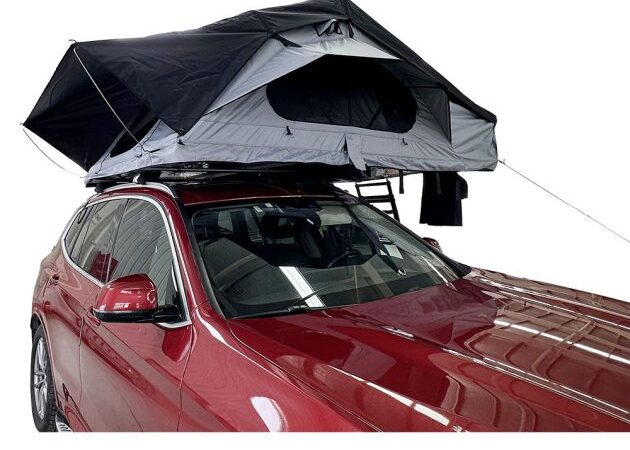

It is the question almost every rooftop tent buyer asks first, and rightly so. Can my vehicle actually handle one? It is a smart thing to check before you spend, because a rooftop tent is a significant weight to put up high, and matching it to your vehicle is what keeps you safe on the highway and protects both your roof and your investment.
The good news is that this is far simpler than the internet sometimes makes it sound. You do not need to be an engineer to figure out whether a rooftop tent fits your vehicle. You just need to understand a couple of key terms and know where to find your vehicle’s numbers. This guide walks you through all of it in plain language: what the weight ratings mean, how to check your own vehicle, what fits on SUVs versus trucks versus smaller cars, and the common mistakes to avoid. By the end you will be able to shop with confidence.
The One Thing That Confuses Everyone: Dynamic vs Static Weight
Almost all the confusion around rooftop tents comes down to one idea, and once it clicks, the rest is easy. Your vehicle’s roof has two different weight limits, and they are very different numbers.
Dynamic weight limit: how much your roof can safely carry while the vehicle is moving. This number is lower, because driving adds forces from bumps, braking, and cornering. This is the figure that matters when you are shopping, because your tent has to weigh less than this while it is mounted and you are on the road.
Static weight limit: how much your roof can hold when the vehicle is parked and not moving. This number is much higher, often several times the dynamic limit. This is what supports you and your companions while you are sleeping in the tent at camp.
Here is why this matters so much. People see their roof rated for, say, 75 kilograms and panic, thinking their tent plus two adults will crush it. But that 75 kilogram figure is the dynamic limit, for driving, when the tent is closed and empty of people. The static limit, the one that holds you while you sleep, is far higher. So the rule for buying is simple: your closed tent must weigh less than your roof’s dynamic limit. Once you are parked and the tent is open, the much higher static limit takes over and easily handles you and your gear.
How to Find Your Vehicle’s Weight Limits
Before you buy, you want two numbers: your roof’s dynamic weight limit, and the weight of the rack system you plan to use. Here is where to look:
- Your owner’s manual: the most reliable source for your roof’s dynamic load rating. Look under roof rack, roof load, or load carrying sections.
- The manufacturer or a dealer: if the manual is unclear, the vehicle maker can confirm the roof rating for your specific model and year.
- Your rack maker’s specs: your crossbars or rack have their own weight rating too. Your setup is limited by whichever is lower, the roof or the rack.
Once you have your roof’s dynamic limit, the math is easy. Add the weight of your rack and the weight of the closed tent. As long as that total stays within your roof’s dynamic limit, you are good to drive. We will walk through a real example next.
A Simple Example: Putting the Numbers Together
Say your SUV’s roof has a dynamic limit of 75 kilograms. You are looking at a rooftop tent that weighs 55 kilograms, and a set of crossbars that weighs 5 kilograms. Add the tent and the rack together and you get 60 kilograms, which is comfortably under your 75 kilogram dynamic limit. That tent fits your vehicle for driving.
Now picture yourself at camp. The tent is open, and you and a companion climb in, adding maybe 150 kilograms of people on top of the tent and rack. That sounds alarming next to the 75 kilogram driving limit, but remember, once you are parked the static limit applies, and it is far higher, easily several hundred kilograms on most vehicles. You are well within safe range. This is exactly why people who only look at the driving number worry needlessly. Match the closed tent to the dynamic limit, and the static limit takes care of the rest.
What Fits: SUVs, Trucks, Jeeps, and Smaller Cars
Vehicle type makes a big difference to your options. Here is a general picture, though your specific model’s ratings always have the final say.
| Vehicle Type | Typical Compatibility |
| Full-size SUVs | Compatible with most rooftop tents, including many hard shell models. |
| Mid-size SUVs & Crossovers | Compatible with many tents, but always check roof and rack ratings. |
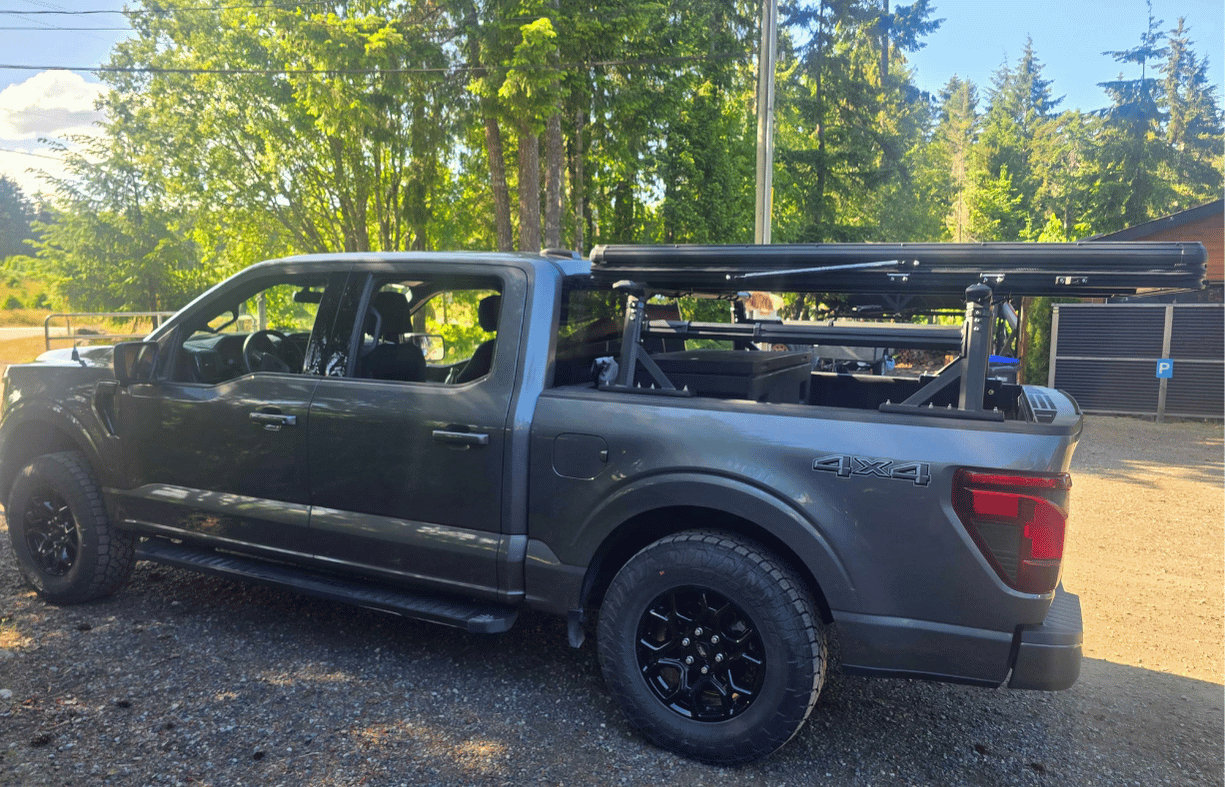
| Pickup Trucks | Excellent compatibility, especially with bed rack systems. |
| Jeeps | Generally compatible, though rack selection is important. |
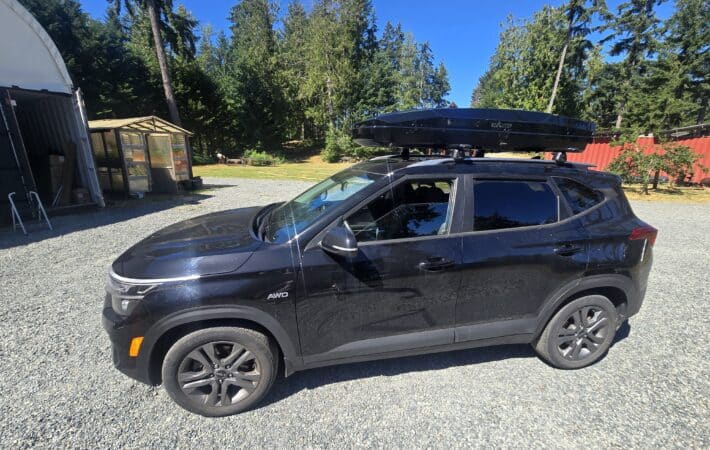
| Compact Cars & Small Crossovers | Often compatible with lighter soft shell tents, but require careful weight checks. |
The takeaway: trucks and full-size SUVs give you the widest choice, while smaller vehicles can still join in with a lighter tent matched carefully to their lower limits. If you drive a compact crossover, you are not shut out. You simply want to favour lighter soft shell tents and confirm your numbers first.
Internal link: Rooftop Tents category, filtered or sorted by weight where possible, so buyers can match a tent to their vehicle.
Why Your Rack Matters as Much as Your Roof
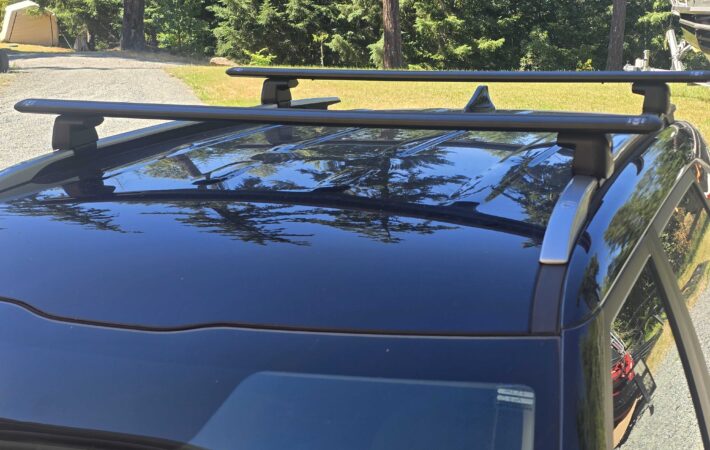
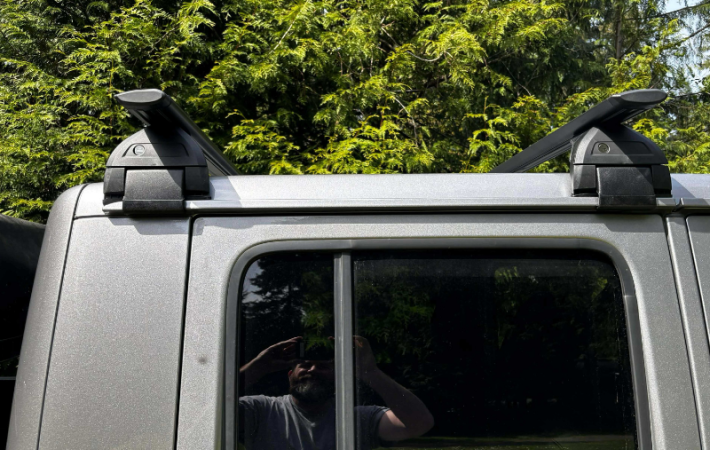
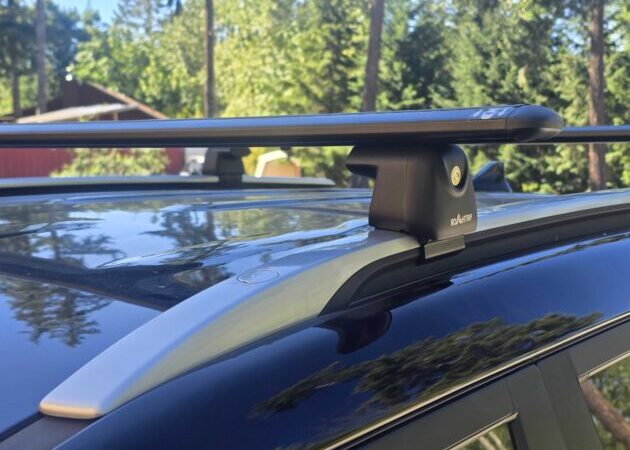
A point that catches people out: your roof rating is only half the equation. The rack or crossbars you mount the tent on have their own weight limit, and your safe capacity is whichever is lower of the two. A strong roof with weak crossbars is limited by the crossbars, and vice versa.
This is why a quality, properly rated rack system is not the place to cut corners. Flimsy or mismatched crossbars are a common cause of problems, and they can make an otherwise compatible vehicle unsafe for a tent. When you choose your tent, choose a rack rated to carry it, and make sure both are matched to your vehicle. If you are unsure, this is exactly the kind of thing worth asking an expert before you buy.
Internal link: Roof Racks and Crossbars category. Also link to the Complete Canadian Overlanding Setup pillar post for the broader rack overview.
Common Mistakes to Avoid
A few avoidable errors trip up first-time buyers. Steer clear of these:
- Confusing the two limits: panicking over the dynamic number when the static number is what holds you at camp. Now you know the difference.
- Forgetting the rack weight: the rack counts toward your dynamic limit too, not just the tent. Include it in your total.
- Ignoring the rack’s own rating: a tent within your roof limit can still overload weak crossbars. Check both.
- Guessing instead of checking: assuming your vehicle is fine without looking up the actual numbers. It takes five minutes to confirm.
- Overlooking height and clearance: a taller setup affects garages, parkades, and fuel economy. Worth a thought, though not a safety issue like weight.
Avoid these and you will have a setup that is safe, secure, and built to last.
FAQ
Can my SUV support a rooftop tent?
Most full-size SUVs can, and many compact ones can too with a lighter tent. The deciding factor is your roof’s dynamic weight limit, found in your owner’s manual, and a rack rated to match. As long as your closed tent plus rack stays within that driving limit, your SUV can carry it. The much higher static limit handles you and your gear once you are parked.
What happens if a tent is too heavy for my roof?
Exceeding your dynamic limit while driving risks damage to your roof and crossbars and creates a real safety hazard from the high, shifting weight. It is not worth the risk. If your first choice of tent is too heavy, a lighter soft shell tent or a different mounting approach, like a bed rack on a truck, usually solves it.
Do I need a special rack for a rooftop tent?
You need a rack or crossbars rated to carry the tent’s weight, mounted to a vehicle that can handle it. Standard factory crossbars are sometimes enough for lighter tents, but heavier tents usually call for stronger aftermarket crossbars, a platform rack, or a bed rack on a truck. Matching the rack to the tent and vehicle is the key step.
Find a Rooftop Tent That Fits Your Vehicle
Checking compatibility is the smart first step, and as you have seen, it comes down to a couple of simple numbers rather than anything complicated. Know your roof’s dynamic limit, match it to a tent and a properly rated rack, and you can buy with total confidence.
Rooftop Tents Canada lists the weight of every tent we carry and ships across the country, so you can match a tent to your vehicle from anywhere in Canada. Browse our rooftop tents and racks, and if you are not sure what fits your specific vehicle, reach out. We are glad to help you confirm compatibility before you buy, so your first trip starts with confidence rather than guesswork.