

Overlanding Setup Guide for Beginners (Complete Vehicle Build Guide)
Overlanding is one of the fastest-growing outdoor adventures in Canada. It combines vehicle travel, camping, and exploring remote areas — often far from traditional campgrounds. The goal isn’t speed or extreme off-roading. Instead, overlanding focuses on self-reliance, exploration, and enjoying the journey.
If you’re new to overlanding, the gear and vehicle setups can seem overwhelming. The good news is that you don’t need a heavily modified vehicle to start. With the right essentials, you can build a simple and effective overlanding setup and begin exploring the backcountry.
This beginner overlanding guide explains everything you need to know to get started.
What is Overlanding?
Overlanding is vehicle-based adventure travel where the journey itself is the goal. Instead of staying in hotels or crowded campsites, overlanders travel through remote areas and camp along the way.
Popular overlanding destinations in Canada include:
- Vancouver Island logging roads
- The Canadian Rockies
- Northern BC backcountry
- Yukon wilderness routes
- Baja and western US desert routes
A good overlanding vehicle allows you to carry camping gear, cooking equipment, water, and supplies for extended travel.
Choosing the Right Vehicle for Overlanding
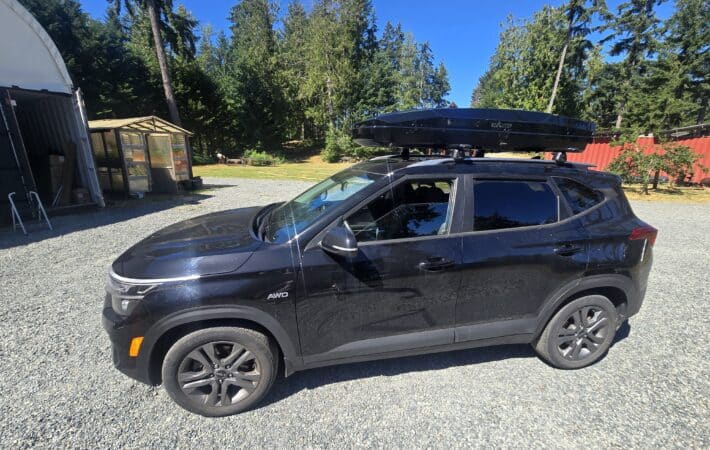
Almost any vehicle can work for beginner overlanding. While many people assume they need a heavily modified 4×4 truck, plenty of overlanders travel with simple SUVs and crossovers.
Popular overlanding vehicles include:
- Toyota Tacoma
- Jeep Gladiator
- Toyota 4Runner
- Ford Ranger
- Chevrolet Colorado
- Ford F-150
- Jeep Wrangler
The most important factors are reliability, cargo capacity, and ground clearance.
Essential Overlanding Gear for Beginners
You don’t need hundreds of accessories to begin overlanding. Focus on a few key pieces of gear that improve comfort and safety.
1. Rooftop Tent
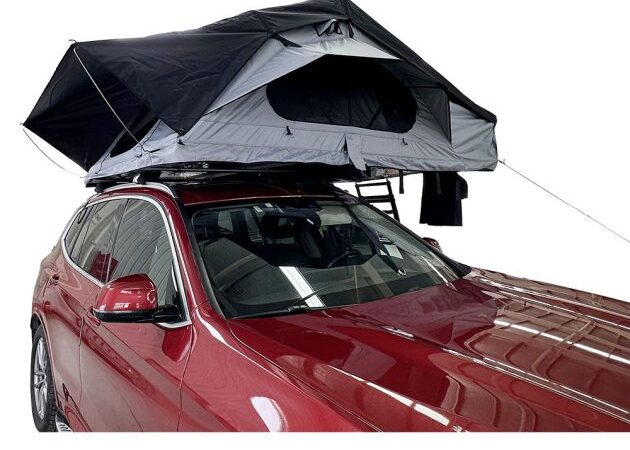
A rooftop tent is one of the most popular upgrades for overlanding vehicles. Instead of sleeping on the ground, a rooftop tent mounts on your vehicle’s roof rack or truck rack.
Benefits include:
- Fast setup (usually under a minute)
- Elevated sleeping platform
- Better protection from weather and animals
- Comfortable mattress included
At rooftoptents.ca, you can find rooftop tents designed specifically for Canadian weather and backcountry travel.
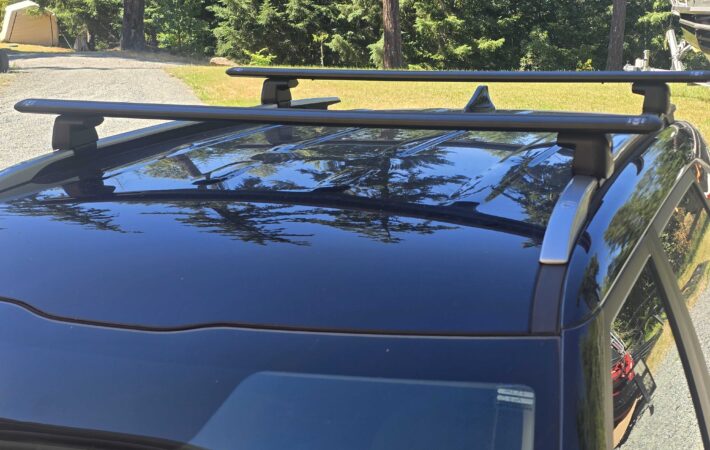
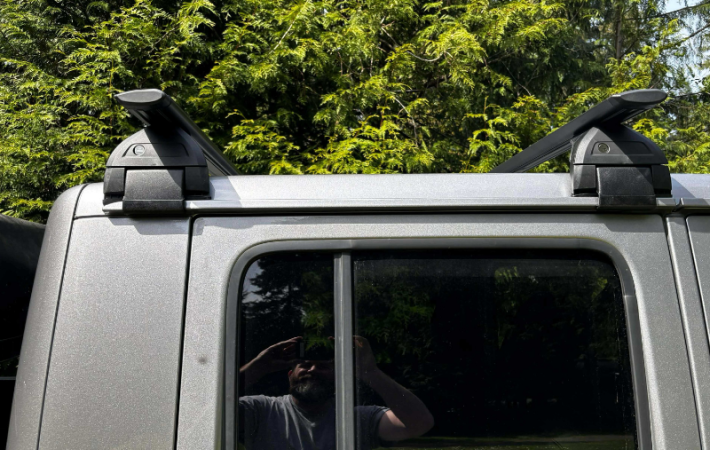
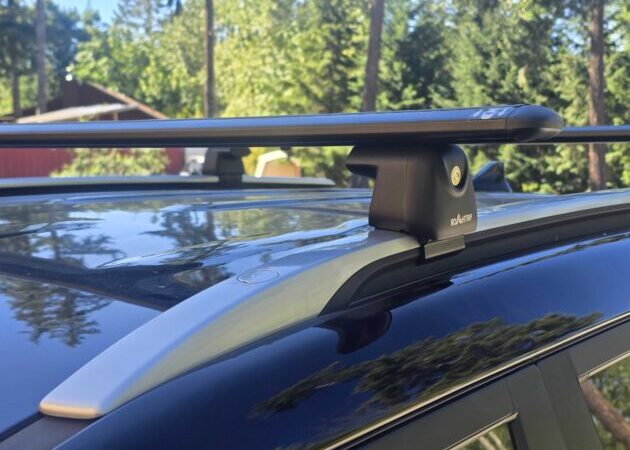
2. Vehicle Rack System
To mount a rooftop tent or carry gear, most overlanders install a rack system.
Common options include:
- Truck bed racks
- Roof racks
- Bed cap racks
- Platform racks
These racks allow you to mount:
- Rooftop tents
- Awning systems
- Gear storage
- Recovery boards
- Lighting
3. Portable Power System
Many overlanding setups include a portable power station or dual battery system.
This allows you to power:
- Fridges
- Lights
- Phone charging
- Cameras
- Laptop or drone equipment
Portable lithium power stations are a popular beginner solution because they require no installation.
4. Portable Fridge or Cooler
Keeping food fresh is important for longer trips.
Options include:
- Electric 12V fridge/freezers
- High-quality rotomolded coolers
- Compact portable refrigerators
Many overlanders eventually upgrade to a 12V fridge for extended trips.
5. Cooking Setup
A simple camp kitchen makes life on the trail much easier.
Common overlanding cooking gear includes:
- Portable propane stove
- Butane camping stove
- Folding kitchen tables
- Cooking kits and utensils
- Water storage containers
6. Recovery Gear
Even easy forest roads can create situations where recovery gear is necessary.
Basic recovery equipment includes:
- Recovery boards
- Tow straps
- Air compressor
- Tire repair kit
- Shovel
Recovery gear can help you get unstuck without needing outside help.
Basic Overlanding Vehicle Setup
A simple beginner overlanding build usually looks like this:
Level 1 Beginner Setup
- Stock truck or SUV
- Roof rack or truck bed rack
- Rooftop tent
- Camp stove
- Cooler
- Basic recovery gear
This setup allows you to travel comfortably and explore remote areas without a huge investment.
Planning Your First Overlanding Trip
Before heading out on your first adventure, it’s important to plan your route and supplies.
Key tips include:
- Download offline maps
- Tell someone your travel plans
- Bring extra water and food
- Check weather conditions
- Understand local fire restrictions
Apps like Gaia GPS and OnX Offroad are commonly used by overlanders to navigate remote routes.
Overlanding in Canada
Canada offers some of the best overlanding opportunities in the world. With millions of square kilometers of wilderness and forestry roads, the possibilities are endless.
Popular Canadian overlanding regions include:
- Vancouver Island backroads
- BC interior logging roads
- Alberta crown land camping
- Yukon wilderness routes
- Northern Ontario trails
Many of these areas allow free dispersed camping, making them ideal for overland travel.
Start Simple and Build Your Setup Over Time
One of the biggest mistakes beginners make is trying to build the perfect overland vehicle immediately.
Instead, start with the basics:
- A reliable vehicle
- A rooftop tent
- A simple cooking setup
- Recovery gear
As you gain experience, you’ll learn what upgrades are truly useful for your style of travel.
Explore the Backcountry with Rooftoptents.ca
At rooftoptents.ca, we specialize in equipment designed for overlanding, vehicle camping, and outdoor adventure.
Our products include:
- Rooftop tents
- Truck bed racks
- Overlanding accessories
- Vehicle storage systems
- Camping gear for backcountry travel
Whether you’re building your first overland setup or upgrading your current rig, we’re here to help you get outside and explore.
Final Thoughts
Overlanding is about adventure, freedom, and exploring places most people never see. With a simple vehicle setup and the right gear, anyone can start overlanding and experience the beauty of Canada’s wilderness.
Start small, travel often, and enjoy the journey.